The Row Hereditas Satin Ballerinas: Fit, Style & Care
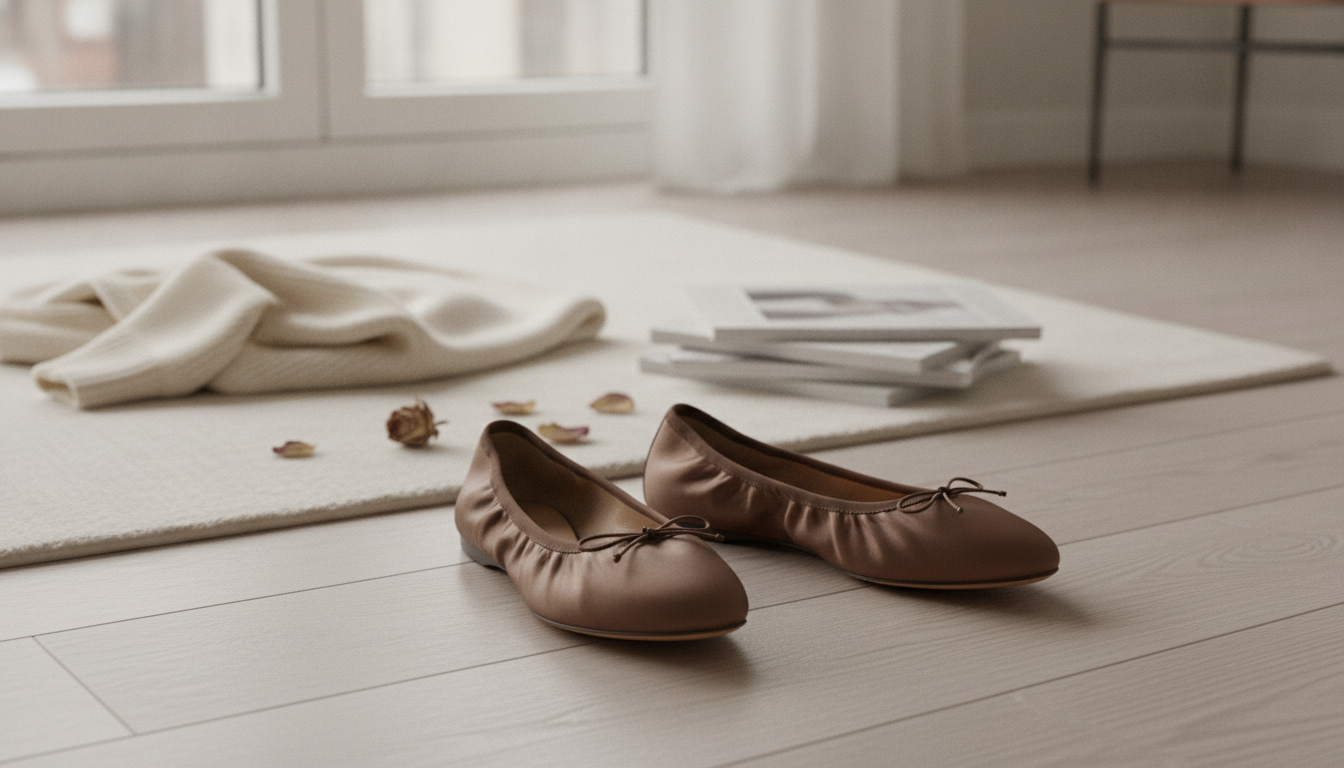
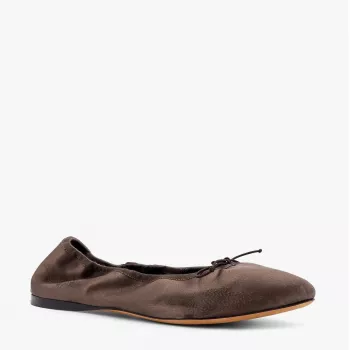
Satin Hereditas Ballerinas by The Row
Satin ballet flats bring a dressy finish to an otherwise minimal shoe, and the Hereditas silhouette from The Row leans into that understated elegance. The appeal is simple: a clean ballerina profile that can look evening-ready without looking “done up.” Because satin is less forgiving than leather and more sensitive to wear, the smartest purchase is the one made with clear expectations—about fit, comfort, styling, and upkeep. For more guidance, see Joyce’s Choices.
If you’re comparing options, you can check current availability for Satin Hereditas Ballerinas by The Row directly on the product page. For further reading, see Spelling dictionary.
At a Glance
- Elegant satin upper with a refined, pared-back ballet-flat profile
- Best suited to dressy daywear, evening looks, and elevated basics
- Comfort depends heavily on fit through the heel and toe box—sizing attention matters with ballerinas
- Satin requires more careful wear planning than leather (weather, friction, color transfer)
Quick Checklist Before Buying
| What to check | Why it matters | What to look for |
|---|---|---|
| Toe shape and room | Ballerinas can pinch if the toe box is narrow | Toes lie flat without pressure; no rubbing on the little toe |
| Heel grip | Heel slip is common in flats | Heel stays put when walking; consider thin heel grips if between sizes |
| Insole support | Very flat soles can fatigue feet | Light cushioning; room for a slim insert if needed |
| Satin finish and color | Satin shows scuffs and sheen changes | Even sheen; no creases or snags; color matches wardrobe neutrals |
| Occasion and weather | Satin is sensitive to moisture and abrasion | Prefer dry conditions; plan an alternate pair for rain |
Design Notes That Define the Hereditas Look
- Satin reads more formal than leather, making the silhouette feel evening-ready even with simple outfits.
- A clean ballet-flat profile pairs well with wide-leg trousers, straight denim, slip skirts, and tailored sets.
- Minimal detailing tends to highlight proportions—hem length and pant break become more noticeable.
- A ballerina style often works best when socks are invisible or intentionally styled (sheer or micro-sock).
There’s also a broader runway-to-street context: ballet flats continue to cycle through trend coverage and styling variations, from streamlined minimalist pairs to more embellished takes. For a sense of how the category is being worn now, see Vogue’s ongoing coverage of the ballet flats trend at https://www.vogue.com/tag/trend/ballet-flats.
Fit and Comfort: Getting the Size Right in Satin Ballerinas
Satin uppers generally have less forgiving stretch than soft leather. That means a fit that feels “a little tight but it’ll break in” may stay tight, especially across the top line and around the toe box. With ballerinas, small fit issues show up fast because there’s less structure holding the foot in place.
- Focus on three pressure zones: toe box width, top line over the foot, and heel security.
- If between sizes, decide based on heel slip vs. toe pressure—heel slip can be adjusted; toe pressure usually cannot.
- Consider low-profile inserts only if they do not lift the heel out of the shoe (a common cause of slippage).
- Do a short try-on walk test: heel lift, toe pinch, and any rubbing at the pinky toe are early warning signs.
A practical approach is to aim for “secure but not squeezed.” If the heel feels slightly loose, thin heel grips can stabilize the fit without changing the shoe’s lines. If the toe box feels cramped or your little toe is getting pushed inward, sizing up is typically the better call, since satin doesn’t reliably relax with wear.
How to Style Satin Ballet Flats Without Overthinking It
If you like a tightly edited look, consider pairing the flats with one focused accessory rather than multiple competing elements. A clean, modern piece like the Platinum Men’s Ring with Moissanite Diamond can add a subtle point of shine while keeping the overall outfit restrained.
Care and Longevity for Satin Footwear
For a reliable overview of safe satin-cleaning basics (and what to avoid), The Spruce has a helpful guide here: https://www.thespruce.com/how-to-clean-satin-5072141. The key theme is restraint: minimal moisture, gentle handling, and patience while drying—no aggressive rubbing that can change the sheen.
Price, Value, and When Satin Makes Sense
Brand details can matter when you’re weighing materials and finishing standards. For official brand reference and product context, visit https://www.therow.com/.
Buying Options and Complementary Pieces
- Confirm availability and pricing on the product page before ordering: Satin Hereditas Ballerinas by The Row.
- For a cohesive look, pair minimalist satin flats with equally clean accessories—avoid overly ornate pieces that fight the silhouette.
- A refined ring can add a subtle statement without pulling focus from the shoe’s sleek finish: Platinum Men’s Ring with Moissanite Diamond.
FAQ
Are satin ballerinas comfortable for all-day wear?
They can be, but comfort depends heavily on fit and foot shape. Because satin has less stretch than leather, prioritize toe room and heel grip, use thin inserts cautiously, and rotate shoes on long walking days to reduce fatigue.
How do satin flats handle scuffs and stains?
Satin can show sheen changes, scuffs, and snagging more readily than leather. Avoid wet conditions, blot spots gently with minimal moisture after testing any cleaner, and store the shoes in a dust bag to prevent friction marks.
What outfits work best with satin ballet flats?
Tailored trousers, straight denim, slip skirts, and simple dresses are easy wins. Keep hems from brushing the satin to protect the finish, and balance the minimalist look with one streamlined jewelry choice.










Leave a comment