Pet-Safe Cleaning Checklist: Room-by-Room Guide
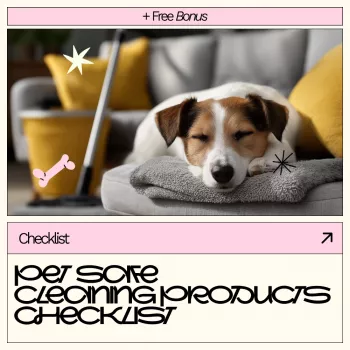
Pet-Safe Cleaning Products Checklist: A Room-by-Room Guide for a Pet-Friendly Home
A clean home shouldn’t come with hidden risks for paws, noses, and curious mouths. Pets live closer to the ground, explore with their mouths, and often can’t avoid freshly cleaned surfaces the way people do. This room-by-room guide covers what to avoid, what to look for on labels, and how to build a simple routine that keeps your space fresh while reducing preventable exposure—plus a printable checklist that makes switching and restocking straightforward.
Why everyday cleaners can be risky for pets
Many household products are designed for human convenience, not for animals that nap on floors, rub against baseboards, and lick their paws after walking through a recently cleaned area. Residue that seems “gone” to you can still transfer to fur and feet and end up being swallowed.
Air quality matters too. Fragrances, aerosols, and strong disinfectants can irritate sensitive airways—especially for cats, small dogs, seniors, and pets that already wheeze or cough. Some ingredients are also more problematic because of how pets metabolize them; cats, in particular, can be more sensitive to certain compounds, including some phenols and concentrated oils.
Finally, “safe” often comes down to use: concentration, ventilation, drying time, and whether pets can access the area. The same product can be low-risk when diluted correctly and fully dried, or much riskier when overused in a closed room.
Quick label scan: what to avoid and what to prefer
When you’re standing in the cleaning aisle (or checking an online listing), a fast label scan can help you choose lower-irritation options and reduce residue where pets spend the most time.
- Skip heavy fragrance and masking agents when possible. “Unscented” is often easier on sensitive pets than “fresh scent” or “odor eliminator” blends.
- Be cautious with phenolic disinfectants and strong degreasers. Save high-strength products for rare, targeted jobs with strict ventilation and pet separation.
- Use dilution correctly for concentrates. Over-concentrating increases residue and irritation risk without improving results.
- Prefer products with clearer ingredient disclosure and reputable screening programs. For example, the EPA Safer Choice Program is a helpful starting point for identifying products designed with safer chemistry in mind.
Safer Cleaning Swap Guide (Pet-Aware)
| Cleaning need | Common approach to reconsider | Pet-aware alternative | Use notes |
|---|---|---|---|
| Everyday surface cleaning | Heavily scented all-purpose spray | Fragrance-free or low-fragrance all-purpose cleaner | Wipe, then rinse high-contact pet areas; keep pets off until fully dry. |
| Floor cleaning | High-foam mop solutions | Diluted pH-neutral floor cleaner | Avoid residue; rinse if product leaves a film; wash pet bedding separately. |
| Glass and mirrors | Aerosol glass cleaners | Pump spray glass cleaner or diluted vinegar solution (well-ventilated) | Prevent overspray onto pet bowls/toys; buff dry to reduce streaks and residue. |
| Disinfecting (targeted) | Routine “disinfect everything” products | Use disinfectants only when needed; follow label dwell time | Separate pets, ventilate, and ensure surfaces are rinsed if label requires. |
| Stain and odor cleanup | Strong solvent-based removers | Enzyme-based pet stain/odor cleaner | Test fabrics first; keep pets away until completely dry to prevent re-soiling/licking. |
Room-by-room checklist: what matters most where pets live
Kitchen
Protect food and water bowls from overspray and drifting mist. Wipe and rinse lower cabinet fronts and toe-kicks, since pets often rub their bodies there and pick up residue on fur. If you use a degreaser, keep it targeted and thoroughly remove any leftover film.
Living areas
Bathroom
Laundry area
Entry/mudroom
A simple pet-safe cleaning routine (daily, weekly, monthly)
Using cleaners safely around pets (practical rules that prevent accidents)
- Ventilation: Open windows or run exhaust fans; avoid spraying into still air where aerosols linger.
- Separation: Place pets in a closed room or behind a gate; remove bowls, toys, and litter boxes from the cleaning zone.
- Dry time: Don’t allow pets to walk or lie on wet surfaces. Drying reduces both residue transfer and fumes.
- Storage: Use child-proof latches and keep products in original containers to preserve safety instructions and first-aid directions.
- Emergency readiness: Keep poison control info where you can grab it quickly. The ASPCA Animal Poison Control resource is a practical reference for urgent situations, and the CDC’s household chemical safety guidance includes prevention tips that apply to homes with pets and kids.
Printable checklist: build a pet-friendly cleaning kit in minutes
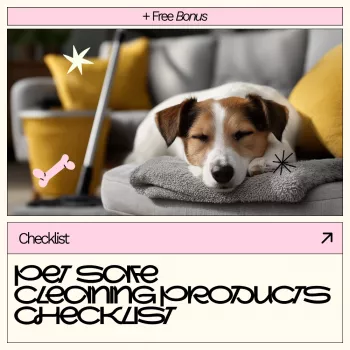
To make the switch easy, use a checklist to audit what you already own by room, note what needs replacing, and track “do not buy again” items that trigger sneezing, itching, or stomach upset. For a ready-to-print option, see the Pet Safe Cleaning Products Checklist (digital download).
If you like keeping references handy while you shop, a durable accessory can help you keep your list close—like the Black Cat Reflective Laser Phone Case for iPhone for pet lovers who want a little personality with their everyday essentials.
Common product types pet owners ask about
FAQ
What makes a cleaner “pet safe” in real life?
It depends on the ingredients, the concentration, and how it’s used. Prioritize low-fragrance options, avoid unnecessary aerosols, dilute concentrates correctly, and prevent paw-licking exposure by keeping pets away until surfaces are completely dry (and rinsed when the label calls for it).
Are enzyme cleaners safe to use around dogs and cats?
Many enzyme cleaners are designed specifically for pet messes and can be a practical choice when used as directed. Choose products with clear ingredient disclosure, test on fabrics first, store securely, and keep pets away from the treated area until it’s fully dry to prevent licking or re-soiling.
How long should pets stay off floors after mopping?
Keep pets off until the floor is completely dry. Dry time varies with ventilation, humidity, product concentration, and flooring type, so block access and use fans or open windows to speed drying when needed.















Leave a comment