Black Wide-Tooth Comb Set: Gentle Detangling for Curls & Wigs
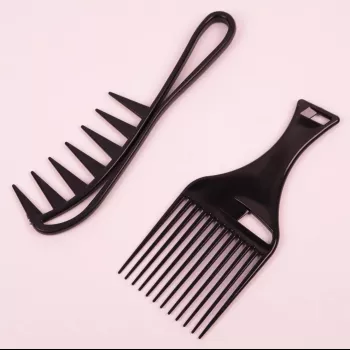
Black Wide-Tooth Comb Set for Natural Hair & Real Hair Wigs
A wide-tooth comb set is a simple tool that can make detangling gentler, reduce snagging, and help maintain definition in curls, coils, and textured styles. For real hair wigs, the right comb can also help preserve density and minimize shedding by keeping tension low while working through knots.
Why wide-tooth combs work well for curls, coils, and wigs
Textured hair and real hair wigs both benefit from tools that prioritize slip and low tension. A wide-tooth comb is designed to separate strands with less “catch,” which is especially helpful when tangles are caused by shrinkage, dryness, or friction from clothing.
- Wider spacing helps separate strands without pulling tightly through tangles.
- Lower tension can mean fewer snapped hairs and less frizz during detangling.
- Great for distributing conditioner or leave-in through textured hair without disturbing curl clumps too much.
- On real hair wigs, gentle detangling supports longevity by avoiding aggressive brushing that can loosen knots at the base.
For everyday hair-and-scalp basics (including gentle handling and avoiding unnecessary breakage), the American Academy of Dermatology Association offers practical guidance that pairs well with low-tension detangling.
What’s included and who it suits
A comb set is useful because hair needs change depending on the day: wash day detangling, quick refreshes, protective styling, and maintenance between wig wears. Having two sizes on hand can reduce the temptation to rush through knots with the wrong tool.
- Comb set format supports different needs: a larger comb for quick detangling and a smaller option for targeted areas like around the nape or hairline.
- Helpful for natural hair routines (wash day, refreshing, protective styling) and for maintaining real hair wigs between wears.
- A practical choice for travel kits, gym bags, and keeping one comb at the sink and another at the vanity.
Quick comparison: wide-tooth comb vs. brush vs. fine-tooth comb
Different tools shine in different situations. If you’re dealing with tangles, prioritize tools that reduce snagging. If you’re finishing a sleek style, you can switch to smoothing tools after detangling is complete.
- Use a wide-tooth comb to detangle with minimal disruption to curl pattern and reduced pulling.
- Use a brush mainly for smoothing/finishing styles when hair is adequately detangled and well-lubricated with product.
- Avoid fine-tooth combs for detangling curls/coils and wigs; they can catch easily and increase breakage or shedding.
Tool choice for common situations
| Situation | Best tool | Why it helps | Tip to reduce snagging |
|---|---|---|---|
| Wash-day detangling (natural hair) | Wide-tooth comb | Slides through larger sections with less tension | Work in small sections with conditioner |
| Refresh curls (day 2–4) | Wide-tooth comb (sparingly) or fingers | Prevents over-frizzing while separating | Mist with water/leave-in before combing |
| Real hair wig detangling | Wide-tooth comb | Lower risk of pulling out hair from the cap/base | Hold the hair above the tangle and start at the ends |
| Sleek ponytail or smoothing top layer | Brush | Helps lay cuticle and smooth flyaways | Detangle first; use light gel/serum |
| Creating sharp parts | Fine-tooth comb | More precision for parting than detangling | Only use on already detangled hair |
How to detangle natural hair with a wide-tooth comb
The best detangling routine is the one that keeps hair hydrated and reduces friction. For curls and coils, the goal is to loosen knots without shredding through them.
- Start with lubrication: detangle on damp hair with conditioner, detangling cream, or a slippery leave-in.
- Section first: clip hair into 4–8 sections to prevent re-tangling while working.
- Begin at the ends: comb out the last inch first, then move upward gradually toward the roots.
- Support the strand: hold the hair above the tangle to reduce stress at the scalp and minimize breakage.
- Finish gently: once detangled, use hands to shape curls or twist/braid sections to preserve definition.
If you notice persistent snagging, slow down and add more slip rather than forcing the comb through. That “extra minute” often prevents the breakage that costs you length and density over time.
How to detangle real hair wigs without increasing shedding
With real hair wigs, shedding can increase when the hair is pulled at the base. Detangling carefully helps reduce stress on knots, wefts, and lace while keeping the style looking fuller for longer.
For additional wig handling and wear tips, the American Cancer Society provides helpful general information about wigs and hairpieces that also applies to everyday wig care routines.
Cleaning and care for long-term use
When a wide-tooth comb set is especially useful
Product options (in stock)
- Black Wide-Tooth Comb Set for Natural Hair & Real Hair Wigs (budget-friendly for gentle detangling and everyday upkeep)
- Black Cat Reflective Laser Phone Case for iPhone (a handy add-on for gym bags and travel kits where you keep hair essentials)
At-a-glance details
| Item | Price | Availability |
|---|---|---|
| Black Wide-Tooth Comb Set for Natural Hair & Real Hair Wigs | $4.47 | In stock |
FAQ
Can a wide-tooth comb be used on dry natural hair?
Yes, but it’s usually gentler on damp hair with slip from a leave-in or conditioner. If combing dry hair, use a moisturizing mist, work in small sections, and move from ends to roots to limit frizz and breakage.
Is a wide-tooth comb safe for real hair wigs?
Generally yes—wide spacing reduces snagging and pulling. Detangle on a stand when possible, hold the hair above tangles, and start at the ends to avoid stressing the wig’s base.
How often should a wig be detangled?
Light detangling after each wear helps prevent knots from setting in, especially at friction areas like the nape. Avoid aggressive daily combing; focus on gentle maintenance and proper storage.













Leave a comment