Portable 4K/8K Projector: WiFi, Bluetooth, Android
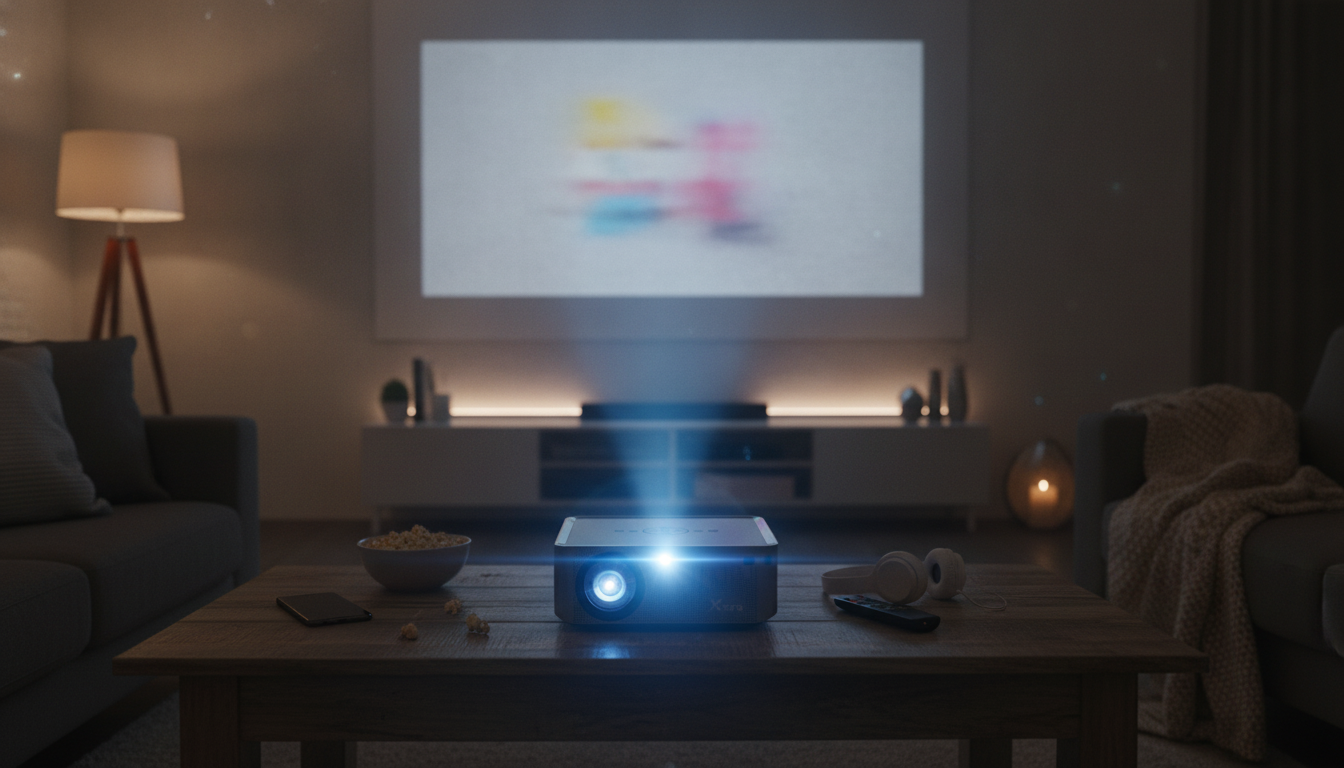
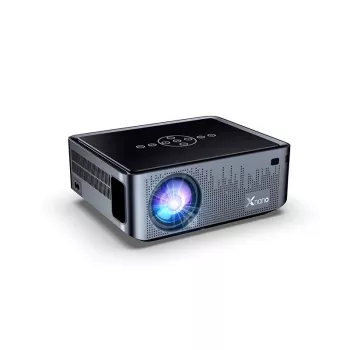
Portable 4K/8K Full HD Projector with WiFi, Bluetooth, and Android for Home Theater
A compact projector can turn a living room, bedroom, or backyard wall into a big-screen setup without permanent installation. Today’s portable models blend smart-TV convenience with wireless streaming and Bluetooth audio, so movie nights and game days can be quick to launch and easy to pack away. Below is what to expect from a portable projector that supports high-resolution input signals, includes Android apps, and offers WiFi and Bluetooth—plus practical tips to get a clean picture and better sound.
What This Projector Is Built For
A portable home-theater projector is designed to deliver a large, comfortable image with minimal setup time. Instead of mounting a TV or running cables through walls, you can place the unit on a table, shelf, or tripod and aim it at a screen (or a clean wall) in minutes.
- Quick home-theater setup with a large image on a wall or screen
- Cable-light streaming using WiFi plus built-in Android apps
- Bluetooth pairing for soundbars, speakers, or headphones when internal audio isn’t enough
- Portable use cases: dorms, bedrooms, travel, backyard movie nights
- Flexible placement options to fit small spaces
If you’re shopping for a ready-to-go option, the Portable 4K 8K Full HD Projector with WiFi, Bluetooth, and Android for Home Theater is built around that “set it down and start watching” lifestyle—especially helpful when the room layout changes often or you want a projector that can travel.
Features That Matter Day to Day
Spec sheets can be overwhelming, but daily use usually comes down to a few practical features: how you stream, how you route sound, and how easily you connect devices you already own.
WiFi for streaming and mirroring
WiFi unlocks wireless streaming and, in many setups, screen mirroring from phones or tablets. Real-world performance depends heavily on router quality, distance, and network congestion. If your household is busy (multiple 4K streams, gaming, video calls), you’ll get smoother playback when the projector and router are close together and the network is stable.
Bluetooth for cleaner audio
Bluetooth is a simple way to send audio to a soundbar or speaker without running a long cable across the room. This matters because built-in projector speakers are often adequate for casual viewing but can feel thin for action movies, sports crowd noise, or dialogue-heavy scenes.
Android for a “smart TV” feel
With Android on board, the projector can behave more like a smart TV—reducing reliance on external streaming sticks. App availability and performance can vary by device and region, but the main advantage is convenience: fewer boxes, fewer cables, and faster starts. For general reference on the platform, see the official Android site.
Input flexibility (HDMI/USB)
Even if wireless features cover most needs, ports still matter. HDMI is the workhorse for consoles, laptops, and streaming devices, and USB can be useful for media drives or certain accessories. If you want a deeper overview of the HDMI ecosystem, the HDMI Licensing Administrator provides an official specification overview.
Portability basics
For a portable model, the “little things” add up: a compact body that’s easy to pack, controls that are straightforward when you’re setting up in dim light, and predictable behavior when switching between rooms and power sources.
Setup for a Clean Picture
Getting a crisp, comfortable image is less about perfection and more about reducing the common problems—distortion, softness, and washed-out contrast.
For additional terminology and how common projector specs relate to what you see, ProjectorCentral’s glossary is a helpful reference.
Recommended Home-Theater Pairings
For viewers who often cast from a phone, keeping your device protected can be a practical add-on. The Black Cat Reflective Laser Phone Case for iPhone is a simple way to help safeguard the phone that frequently serves as the remote, library, and casting source.
Quick Comparison Checklist
At-a-Glance Setup Decisions
| Goal | Best Practice | Why It Helps |
|---|---|---|
| Bigger image | Increase throw distance gradually | Find the balance between size and perceived brightness |
| Sharper text/subtitles | Use a screen or smooth wall and refocus after warm-up | Reduces texture artifacts and improves perceived clarity |
| Better sound | Pair a Bluetooth speaker/soundbar or use wired audio | Projector speakers are often limited for movies |
| Fewer dropouts | Use 5 GHz WiFi when available and keep the router nearby | Improves stability for streaming and mirroring |
| Less distortion | Center the lens and level the unit before using keystone | Keeps edges sharper than heavy digital correction |
Care, Maintenance, and Longevity
FAQ
Does Bluetooth work for both audio and video?
Bluetooth is typically used for audio output (to speakers, soundbars, or headphones). Video is usually delivered via WiFi casting/mirroring or a wired connection like HDMI, and Bluetooth audio can introduce latency that may be noticeable in gaming.
Can a projector accept 4K/8K input if it isn’t natively 4K?
Yes, many projectors can accept a higher-resolution input signal and then downscale it to their native display resolution. The projector’s native resolution determines the final on-screen detail, even when the source is 4K or 8K.
Is WiFi streaming reliable for movies?
It can be reliable with a strong router, short distance, and minimal network congestion—especially on 5 GHz WiFi when available. For the most consistent playback, HDMI is a solid fallback if wireless conditions aren’t ideal.














Leave a comment