1 Carat Moissanite Ring in 14k Gold: Size & Wear
14k Gold Moissanite Ring (1 Carat): Size, Sparkle, and Everyday Wear
A 1-carat moissanite ring in 14k gold hits a sweet spot: a bright, eye-catching center stone, a timeless “just right” silhouette, and a metal choice that’s well-suited to day-to-day life. The key to loving how it looks (and how it holds up) is understanding what “1 carat” means for moissanite, how that translates to millimeters on your finger, and which settings best match your routine.
What “1 Carat” Means for Moissanite
Carat is a weight measurement created for diamonds, but moissanite is frequently sold using “diamond equivalent weight” (often abbreviated as DEW). In practice, that means a “1-carat” moissanite is typically marketed to appear similar in size to a ~1.0 ct diamond—though the exact face-up size can vary by cut style and the brand’s standards.
Shape plays a big role in visual presence. Elongated cuts like oval, pear, and marquise often look larger than round stones at the same equivalent because more of their surface area stretches along the finger. For the most accurate expectation, prioritize the stone’s millimeter measurements (length × width), not the carat-equivalent label.
Carat-to-Millimeter Quick Guide (Visual Size)
Millimeters are the best way to compare stones across sellers, especially when two “1-carat equivalent” stones can face up slightly differently. Finger size and band width matter too: a slimmer band can make a center stone look bigger, while a wider band can visually balance (or slightly downplay) the stone.
If a listing doesn’t include exact dimensions, request them before purchase so the size on-hand matches your expectations.
Typical Face-Up Sizes for Popular Cuts (Approximate)
| Stone look | Round (mm) | Oval (mm) | Cushion (mm) | Princess (mm) |
|---|---|---|---|---|
| ~0.50 ct equivalent | 5.0 | 6.0 × 4.0 | 4.7 × 4.7 | 4.5 × 4.5 |
| ~1.00 ct equivalent | 6.5 | 7.5 × 5.5 | 6.0 × 6.0 | 5.5 × 5.5 |
| ~1.50 ct equivalent | 7.3 | 8.5 × 6.0 | 7.0 × 7.0 | 6.5 × 6.5 |
| ~2.00 ct equivalent | 8.2 | 9.0 × 7.0 | 8.0 × 8.0 | 7.0 × 7.0 |
Why 14k Gold Works Well for a Moissanite Ring
14k gold is popular for engagement-style and everyday rings because it balances precious-metal content with practicality. Compared with higher-karat gold (like 18k), 14k is generally more resistant to everyday scuffs and dings—helpful if you plan to wear your ring often.
Color choice also changes the ring’s overall vibe. Yellow gold tends to add warmth and a traditional look. White gold reads crisp and classic, especially with a colorless or near-colorless stone. Rose gold leans romantic and vintage-inspired. When shopping, confirm whether the ring is solid 14k gold versus a plated option, and look for hallmarking when available.
Sparkle Profile: Moissanite vs Diamond
Moissanite is celebrated for its high brilliance (bright white sparkle) and strong fire (colored flashes). In many lighting conditions—sunlight, spotlights, and even phone flash—moissanite can show more rainbow dispersion than diamond. That’s not a drawback so much as a style preference: some people love the extra “electric” look, while others prefer a more subdued sparkle pattern.
To dial in the appearance, pay attention to cut precision and clarity. A well-cut stone returns light more evenly, which helps the sparkle look consistent instead of patchy. If color matters, look for stones described as colorless or near-colorless, especially for white gold settings.
For background on how carat is defined for diamonds and how quality factors are discussed industry-wide, references like GIA’s diamond carat weight guide and GIA’s 4Cs overview are helpful starting points.
Comfort, Fit, and Proportions on the Hand
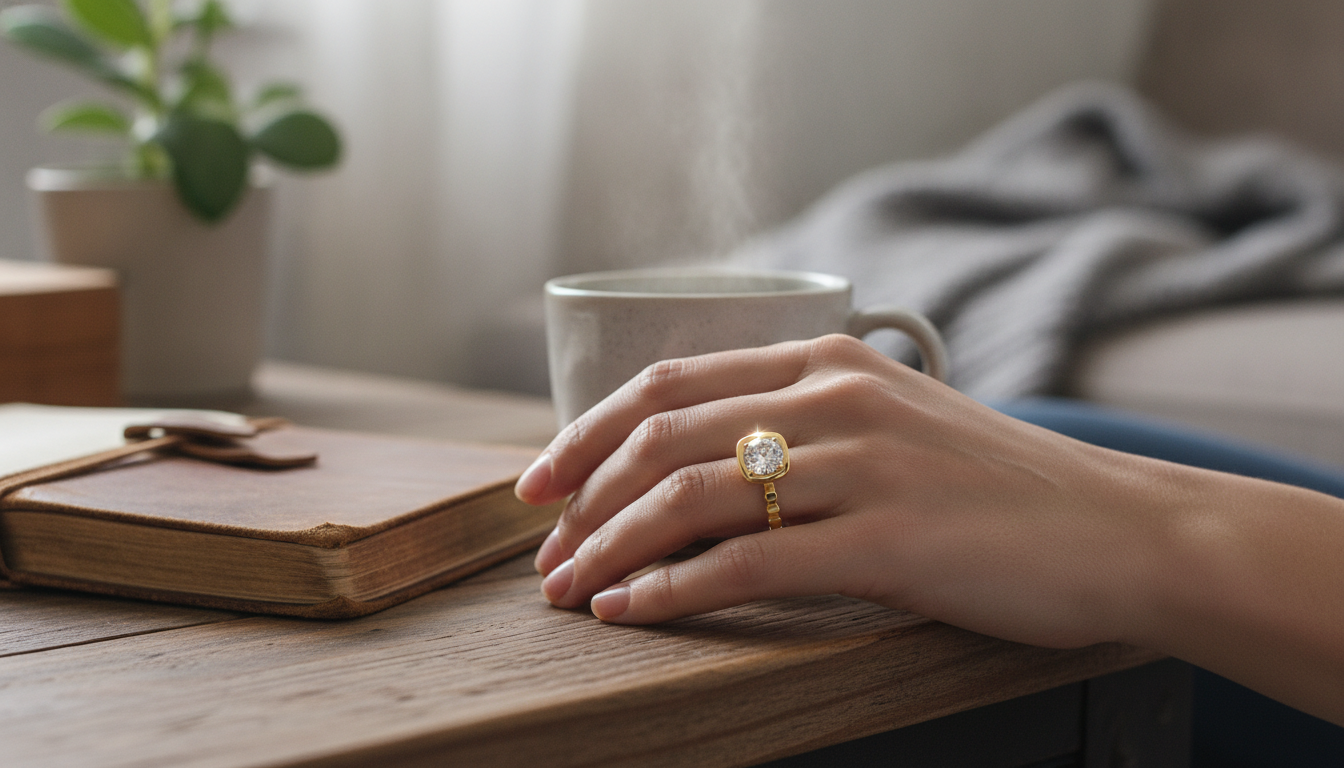
A 1-carat center stone usually looks substantial without feeling oversized, making it an easy everyday scale for many hands. Comfort depends less on carat-equivalent size and more on ring architecture: band width, inner comfort fit, and especially the setting height.
Lower-profile settings reduce snagging on sweaters, hair, and pockets and can feel more secure during daily tasks. Higher-profile settings can let in more light from the sides and may maximize sparkle, but they’re more likely to catch on fabrics. If gloves are part of your routine (healthcare, winter wear, lab work), a lower set design tends to be less fussy.
Setting Security and Everyday Durability
Even durable materials benefit from smart habits: remove rings for heavy lifting, harsh chemicals, and abrasive cleaning. For general buying standards and disclosures, the FTC Jewelry Guides outline common practices and terminology.
Care and Cleaning for Long-Lasting Shine
Value Considerations: What Drives Price
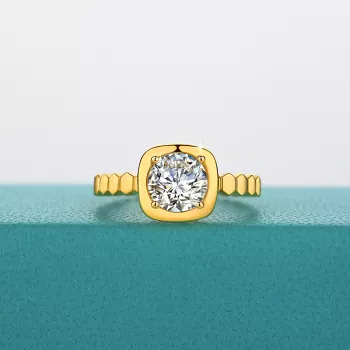
A 1-Carat Option to Consider
FAQ
Is a 1-carat moissanite ring the same size as a 1-carat diamond ring?
Not exactly. Diamond carat measures weight, while moissanite is often sold by “diamond equivalent” to describe how large it looks. The most accurate comparison is the stone’s millimeter dimensions, and the cut shape can make the same equivalent weight appear larger or smaller.
Does moissanite look too rainbow-like in real life?
Moissanite typically shows stronger fire than diamond, so you may notice more colored flashes in certain lighting. Some people love that extra pop, while others prefer a subtler look. Cut quality and lighting conditions both influence how “rainbow” it appears.
Is 14k gold durable enough for daily wear?
Yes, 14k gold is a popular daily-wear choice because it balances beauty with practical scratch resistance. Regular cleaning, avoiding harsh chemicals, and occasional prong checks help it stay secure and polished-looking over time.










Leave a comment