18-Piece Porcelain Dinnerware Set for 6: Plates & Bowls
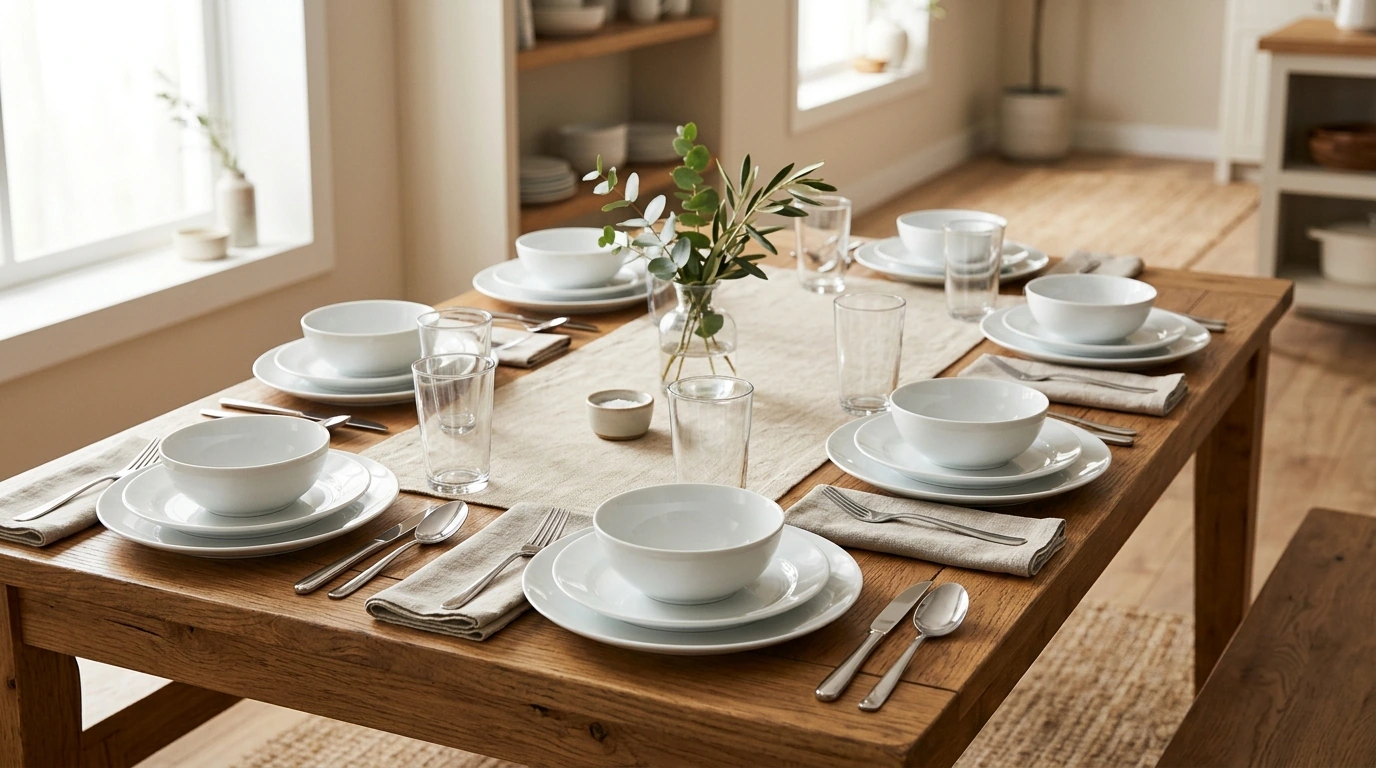
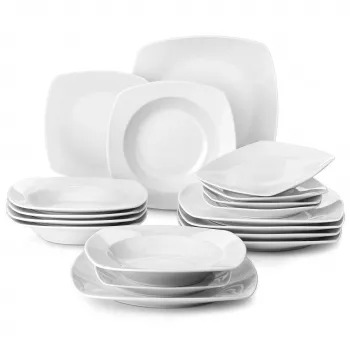
18-Piece Ceramic Porcelain Dinnerware Set (Service for 6) for Everyday Meals and Hosting
A coordinated dinnerware set makes daily meals feel more put-together while keeping cleanup simple. This 18-piece ceramic porcelain set is designed for a full table setting for six, covering the plates and bowls typically used from dinner to dessert. The sections below break down what’s included, how it fits common meals, how to care for porcelain, and what to look for when choosing dinnerware for your home. For more guidance, see NIB 16-Piece Gold Prestige Ceramic Dinnerware Set.
What the 18-piece set includes
An 18-piece set built around a service for 6 is a practical “core kit” for most kitchens. It covers the essentials for plated meals while staying flexible enough for cereal nights, quick lunches, or a paced, multi-course dinner. For further reading, see Tableware.
- Service for 6: a complete place setting for family dinners, roommates, or small gatherings.
- Three core pieces per setting: dinner plate, soup bowl, and dessert plate for flexible meal courses.
- Cohesive look: a consistent style across pieces helps the table feel pulled together for both casual and special occasions.
Set breakdown (service for 6)
| Piece | Quantity | Typical use |
|---|---|---|
| Dinner plates | 6 | Main courses, large salads, shared-style plating |
| Soup bowls | 6 | Soup, pasta, grain bowls, stews, cereal |
| Dessert plates | 6 | Desserts, appetizers, bread-and-butter, small lunches |
If you’re refreshing older mismatched dishes or outfitting a new space, a coordinated set can simplify everything from plating to storage. For a complete place setting, see the 18-Piece Ceramic Porcelain Dinnerware Set – Service for 6.
Why porcelain works well for daily dining
Porcelain has a reputation for looking refined, but it’s also a smart everyday material when it’s properly fired and glazed. High-temperature firing creates a dense body, and the glaze forms a smooth surface that’s designed to handle regular kitchen routines.
- Dense, non-porous surface: helps resist staining and odor absorption compared with more porous materials.
- Smooth glazed finish: supports easier cleanup after sauces, oils, and dessert toppings.
- Versatile for many foods: works for hot soups, acidic dressings, and cold desserts without needing separate “special occasion” dishes.
For a quick background on what distinguishes porcelain from other ceramics, Encyclopaedia Britannica’s overview of porcelain is a useful reference. For general consumer safety context related to lead in foodwares, the U.S. Food & Drug Administration (FDA) resource on lead in food and foodwares provides additional information.
Meal-by-meal ways to use a dinner + soup + dessert lineup
This three-piece place setting format works because it matches how many people actually eat: a main plate, a bowl for “all-in-one” meals, and a smaller plate that reduces the temptation to overload portions for snacks and sweets.
- Weeknight dinner: use the dinner plate for a main and sides; use the soup bowl for one-pot meals like chili, curry over rice, or ramen-style noodles.
- Hosting: starters on dessert plates, a soup course in bowls, and mains on dinner plates helps keep pacing organized and makes the table feel intentional.
- Breakfast and lunch: soup bowls double as cereal or yogurt bowls; dessert plates are handy for toast, sandwiches, and small lunches.
- Dessert service: dessert plates keep cakes, cookies, fruit, and pastries neatly portioned—especially helpful when guests are balancing plates and drinks.
One underrated hosting move: set out dessert plates early for appetizers. It keeps guests from juggling full-size dinner plates before the meal even starts, and it makes cleanup simpler because the same plates can later be used for dessert.
Care and handling tips to keep porcelain looking new
Porcelain is built for repeated use, but a few habits help maintain the glaze and reduce the chance of chips—especially in busy households where dishes cycle through daily.
- Avoid sudden temperature changes: let very hot dishes cool slightly before rinsing with cold water to reduce thermal shock risk.
- Use non-abrasive sponges: mild detergents and soft scrubbers help protect the glaze and keep surfaces glossy.
- Stack with care: place a soft liner (paper towel or felt) between pieces if storing in tall stacks to minimize micro-scratches.
- Inspect chips: if an edge becomes chipped, retire that piece from regular use to reduce the chance of cracks spreading.
For storage, think in zones: keep daily pieces at chest height for easy access, and reserve higher shelves for seasonal items. If cabinet space is tight, bowls often stack more efficiently than plates, so consider keeping bowls together and plates in a separate, stable stack.
How to match dinnerware to your table and kitchen routines
The “best” dinnerware set is the one that matches how you eat and how you store. A service for six is a sweet spot for many homes because it covers daily life but still supports guests.
At-a-glance product details
In-stock picks
- 18-Piece Ceramic Porcelain Dinnerware Set – Service for 6 – Dinner, Soup & Dessert Plates
- Platinum Men’s Ring with Moissanite Diamond
FAQ
What comes in a service for 6 dinnerware set?
A service for 6 in an 18-piece configuration typically includes 6 dinner plates, 6 soup bowls, and 6 dessert plates. That lineup covers the most common meal courses and everyday uses, from mains to cereal to sweets.
Is porcelain dinnerware durable enough for everyday use?
Yes—porcelain is fired at high temperatures, creating a dense, non-porous body with a protective glaze that holds up well to regular meals. Durability improves with careful handling, avoiding sudden temperature changes, and retiring chipped pieces from daily use.
How should porcelain plates and bowls be stored to prevent scratches?
Stack pieces neatly and avoid sliding heavy stacks across one another. For taller stacks, placing a soft liner (like a paper towel or felt protector) between items helps reduce micro-scratches on glazed surfaces.













Leave a comment