10-Min Post-Workout Focus Reset for a Clear Mind
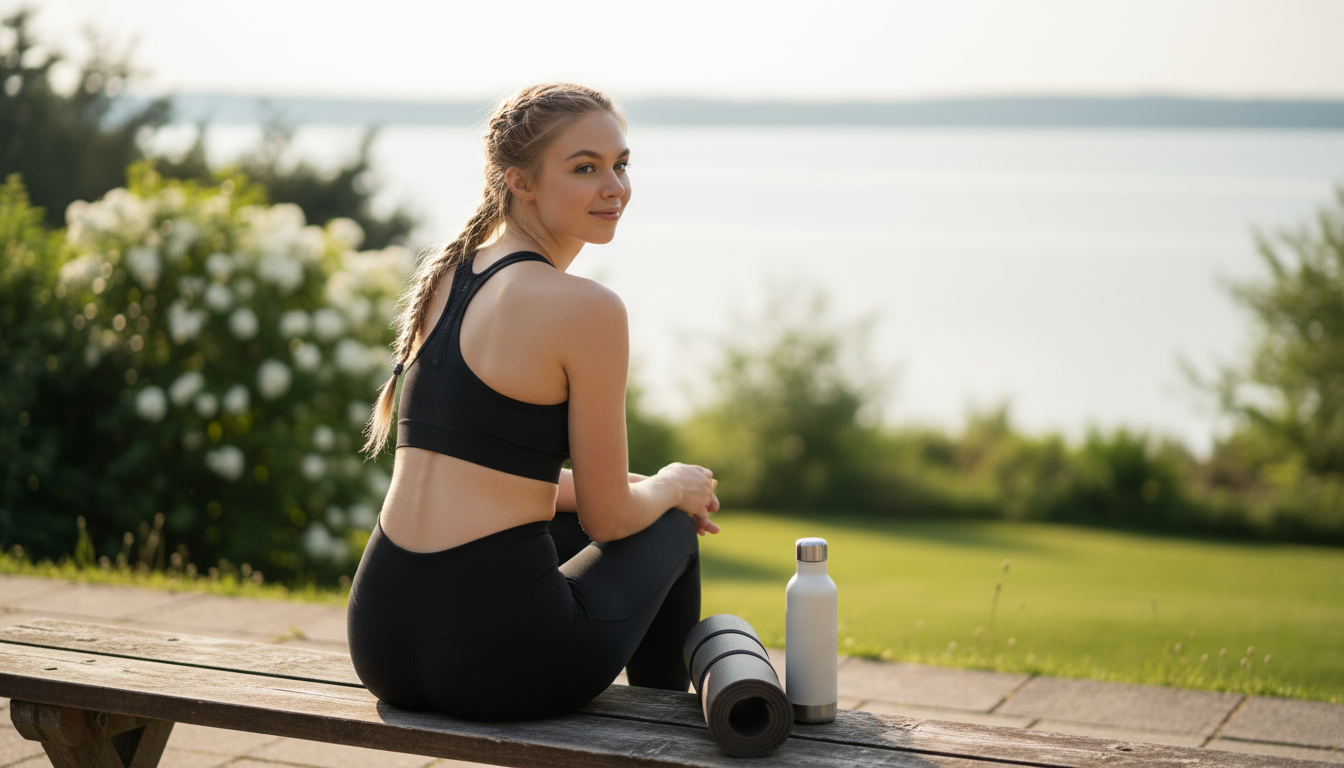
Clear Mind After Training: Post-Workout Mental Clarity Routines for a Fast Focus Reset
Mental fog after training can feel like a hard crash: the workout is done, but attention, patience, and decision-making lag behind. A structured post-workout reset helps the nervous system shift from output mode to calm focus, supporting recovery and making it easier to transition into work, study, or family time.
Why the Mind Can Feel Cloudy After a Hard Session
Post-workout brain fog isn’t a character flaw—it’s often a normal “gear-change” problem. Training pushes the body into a higher-arousal state, and if the next environment is a car seat, a noisy locker room, or a desk with notifications buzzing, the brain can struggle to settle into steady focus.
- A rapid shift from high arousal to a sedentary environment can leave the brain stuck in transition, especially after intense intervals or heavy strength work.
- Breathing patterns, dehydration, and under-fueling can amplify perceived mental fatigue even when the workout felt strong.
- Screen time and noisy environments immediately after training can keep the stress response elevated, delaying a clear-downshift (see APA’s overview of stress effects on the body: https://www.apa.org/topics/stress/body).
- Sleep debt and cumulative training load can make post-workout fog more frequent and longer-lasting.
When the goal is a fast focus reset, the best approach is simple: reduce arousal, restore basic inputs (air + water + fuel), then point attention at one clear next step.
The 10-Minute Post-Workout Focus Reset (Do This Before Checking Notifications)
This routine is intentionally short so it’s realistic on busy days. If you do nothing else, do the steps in order—each one makes the next easier.
Minute 0–2: Downshift breathing
Use nasal inhales and longer exhales. Try 6 slow cycles: inhale 3–4 seconds, exhale 5–7 seconds. The longer exhale helps signal “safe to downshift,” which often reduces that wired-but-scattered feeling.
Minute 2–4: Quick body scan
Run attention through jaw, tongue, shoulders, hands, and abdomen. Unclench, drop the shoulders, loosen your grip. Residual tension acts like background noise that pulls focus away from whatever you do next.
Minute 4–6: Hydration + simple carbs/protein if needed
If the session was long, hot, or high-intensity, drink water and consider electrolytes. If you’re heading into work or errands, a small snack can stabilize mood and mental energy. NIH guidance on hydration basics is a helpful reference: https://www.niddk.nih.gov/health-information/diet-nutrition/water-hydration.
Minute 6–8: Brief mobility flow
Pick 2–3 moves (30–45 seconds each): hip flexor stretch, thoracic rotation, calf stretch, or gentle forward fold. The goal isn’t flexibility—it’s comfort, so sitting, driving, or standing in line doesn’t feel like a punishment.
Minute 8–10: Choose one “next action”
Write a single sentence: “Next I will _____.” Then begin. This prevents decision overload and stops the post-workout drift into random tasks and scrolling.
| Step | What to do | Why it helps |
|---|---|---|
| Breathing | 6 slow cycles; exhale longer than inhale | Lowers arousal and smooths the transition to calm focus |
| Release tension | Scan jaw/neck/shoulders; relax grip | Reduces background strain that steals attention |
| Hydrate + fuel | Water + electrolytes as needed; small snack | Supports cognitive energy and mood stability |
| Mobility | 2–3 movements, 30–45s each | Improves comfort and readiness to sit/drive/work |
| Next action | Write one immediate task and start it | Prevents drifting and mental clutter |
Routine Builder: Match the Reset to Your Training Day
Different sessions create different kinds of “after” effects. Use the same 10-minute spine, but bias the details toward what your body just did.
For general recovery principles and training balance, the American College of Sports Medicine is a solid starting point: https://www.acsm.org/.
Mental Clarity Anchors: Quick Practices That Work in the Real World
Common Mistakes That Keep the Brain in Overdrive
A Simple Weekly Plan to Make Clarity Automatic
Guided Routines for Athletes Who Need a Reliable Focus Reset
If the hardest part is consistency, a ready-made sequence can reduce decision fatigue and make the reset feel automatic. The Clear Mind After Training: Post-Workout Mental Clarity Routines Digital Guide is built for immediate use after training, with step-by-step flows for different intensities and schedules.
To reduce the “notification trap” right after workouts, it can also help to create a physical cue that your phone is staying put while you reset—like placing it face down or using a case that makes it feel more intentional to pick up. If you want a simple reminder object, the Black Cat Reflective Laser Phone Case for iPhone can serve as that visual cue: reset first, scroll later.
FAQ
How long should it take to feel mentally clear after a workout?
For many people it’s about 5–30 minutes depending on intensity, heat, hydration, fueling, and sleep. A consistent cooldown + reset routine usually shortens the transition and makes the timing more predictable.
Why do some workouts leave more brain fog than others?
Hard intervals, heavy lifting, training in heat, low carbohydrate availability, poor sleep, and accumulated fatigue can all increase post-workout fog. Adjusting your cooldown, adding electrolytes when you sweat heavily, and eating a small carb/protein snack often helps.
Can a quick breathing routine really improve focus after training?
Yes—slow breathing with longer exhales supports a downshift from high arousal into steadier attention. Try 60–90 seconds of nasal breathing: inhale 3–4 seconds, exhale 5–7 seconds, then move straight into your next action.
















Leave a comment