Heavy-Duty Non-Stick Madeleine Pan for Mini Treats
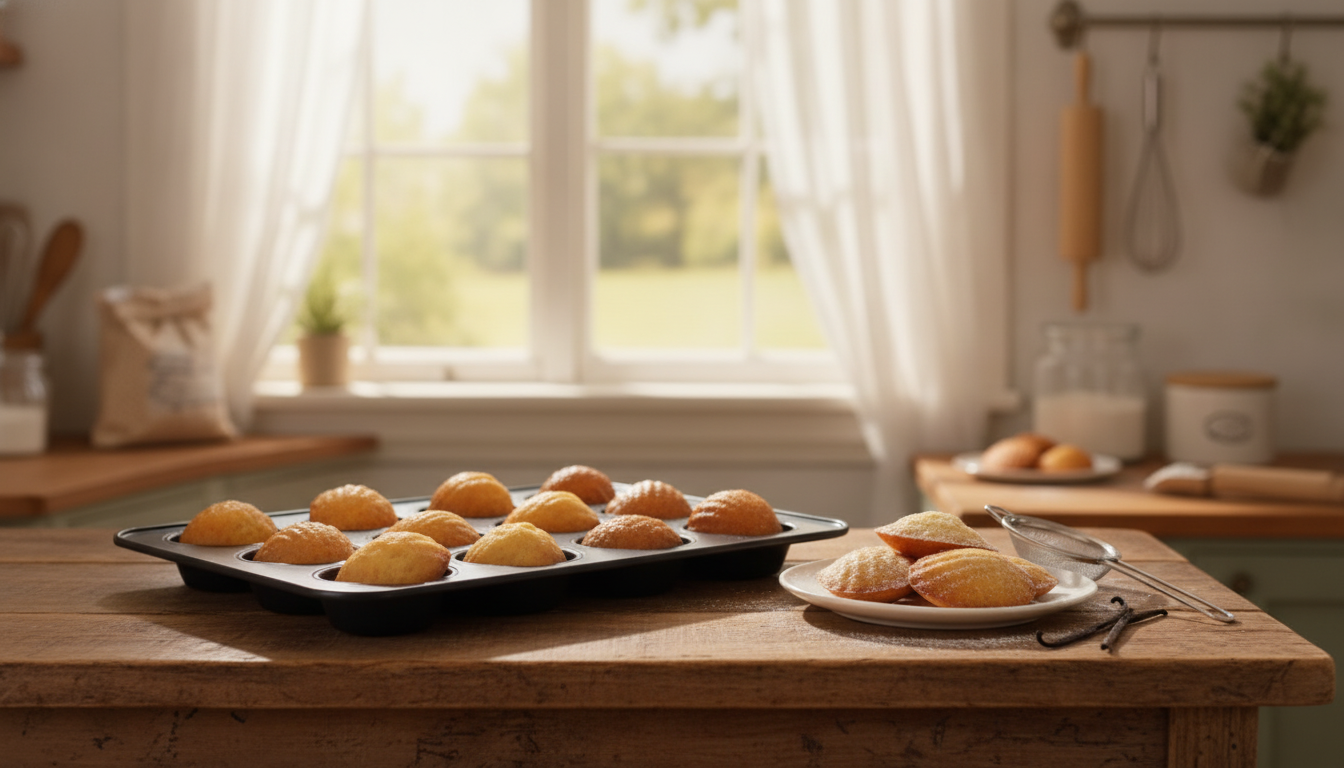
Heavy-Duty Non-Stick Madeleine & Mini Treat Baking Pan: Even Bakes, Easy Release, Less Mess
A madeleine pan should deliver crisp edges, tender centers, and clean shell detail—without sticking or warping. The Heavy-Duty Non-Stick Madeleine & Mini Treat Baking Pan is built for small French-style cakes and bite-size treats, helping batches bake evenly and release smoothly so you can get consistent results with less cleanup.
What This Pan Is Made For
Madeleines are small, fast-baking cakes, so the pan does a lot of the work: shaping, browning, and releasing delicate edges without tearing. This style of pan is especially handy when you want uniform pieces that look “finished” straight from the oven.
- Classic madeleines: defined shell ridges and a light “hump” from proper heat.
- Mini treats beyond madeleines: brownie bites, mini sponge cakes, cornbread bites, and molded cookies.
- Batch baking: gifts, dessert boards, tea time, and lunchbox treats.
- Practical everyday baking: when clean release matters more than intricate specialty molds.
Heavy-Duty Build: Why It Matters for Small Cakes
Because madeleines and mini bakes cook quickly, they’re sensitive to uneven heat. A sturdier, heavier-gauge pan helps stabilize the bake so you’re not chasing perfect timing from cavity to cavity.
- Holds shape in hot ovens: reducing the chance of uneven browning caused by hot spots.
- Less flex during handling: more confidence moving the pan to and from the oven without batter sloshing or edges deforming.
- Consistent cavity shape: supports uniform bake times across the pan, especially when making multiple batches.
- Crisp edges without dry centers: better structure helps set the outside quickly while protecting the middle from overbaking.
Non-Stick Performance and Release Tips
Non-stick coating is a major advantage with madeleines because the edges are thin and can cling easily. A good release routine also protects the shell pattern, keeping ridges sharp instead of torn or smeared.
- Non-stick supports clean release: especially useful for delicate sponge-style batters.
- Light greasing still helps: even on non-stick surfaces, a thin coat of butter or baking spray can improve definition and reduce sticking (butter-based batters benefit most).
- Optional flour or cocoa dusting: a light barrier that helps with stickier batters; cocoa is ideal for chocolate recipes.
- Cool briefly before turning out: too hot can break cakes; too cold can make them cling. A short rest helps the crumb set and release cleanly.
For best results, avoid metal tools in the cavities. If a piece needs help, use a soft silicone spatula or a wooden pick to gently nudge the edge.
Quick Specs and At-a-Glance Details
Use the table below as a practical checklist when comparing pans for madeleines and mini treats.
| Feature | Why it matters | What to look for in use |
|---|---|---|
| Heavy-duty construction | More even baking and less flex | Stable feel when lifted; consistent browning across cavities |
| Non-stick surface | Cleaner release; less tearing | Cakes unmold with a gentle tap and minimal residue |
| Defined shell cavities | Better shape and detail | Ridges stay visible after baking; edges crisp without burning |
| Easy cleanup | Less scrubbing and less coating wear | Hand-wash friendly; residue lifts with warm soapy water |
| Multi-purpose use | More value beyond one recipe | Works for mini brownies, sponge bites, molded cookies |
How to Bake Better Madeleines (Simple Process)
Great madeleines are mostly about temperature control and consistent portioning. This quick process keeps the shell shape crisp and the crumb tender.
- Chill the batter if your recipe calls for it: colder batter hitting a hot pan can help create the classic rise.
- Preheat thoroughly: give the oven time to stabilize so the first batch sets quickly and browns evenly.
- Fill evenly: consistent amounts keep bake times aligned; avoid overfilling for cleaner shell definition.
- Bake just until done: edges should be set and lightly browned; small cakes dry out fast if pushed too long.
- Turn out gently: loosen with a soft silicone tool if needed, then tap and invert onto a rack.
If you’re exploring technique or flavor variations, trusted baking resources can help refine timing and texture—King Arthur Baking’s guides are a solid place to start: https://www.kingarthurbaking.com/.
Care, Cleaning, and Storage to Protect the Coating
A non-stick pan lasts longer with a little care—especially around the edges of the cavities where tools and stacking can cause wear.
For general kitchen best practices, especially when baking for others, it’s also worth reviewing safe handling guidance from the USDA: https://www.fsis.usda.gov/food-safety/safe-food-handling-and-preparation. For a high-level overview of food-contact materials, the FDA provides background here: https://www.fda.gov/food/packaging-food-contact-substances-fcs.
Recipe Ideas That Fit the Mold
When This Pan Is the Right Choice
Featured Picks Available Now
- Heavy-Duty Non-Stick Madeleine & Mini Treat Baking Pan
- Black Cat Reflective Laser Phone Case for iPhone
- Platinum Men’s Ring with Moissanite Diamond
FAQ
Do madeleines need a madeleine pan?
A madeleine pan is what creates the signature shell shape and ridges. You can bake a similar batter in mini muffin tins, but the look, edge texture, and definition won’t be the same as a true shell mold.
Should a non-stick madeleine pan still be greased?
Lightly greasing is still a good idea for the cleanest release and best shell definition. It can be especially helpful with butter-rich or sugary batters that are more likely to cling.
How do you keep madeleines from sticking in the shells?
Use a thin layer of butter or baking spray, optionally add a dusting of flour or cocoa, and avoid overbaking. Let the cakes cool briefly before unmolding, and if one catches, loosen the edge gently with a silicone tool.












Leave a comment