Hooded Duck Down Sleeping Bag for 0°F–32°F Camping
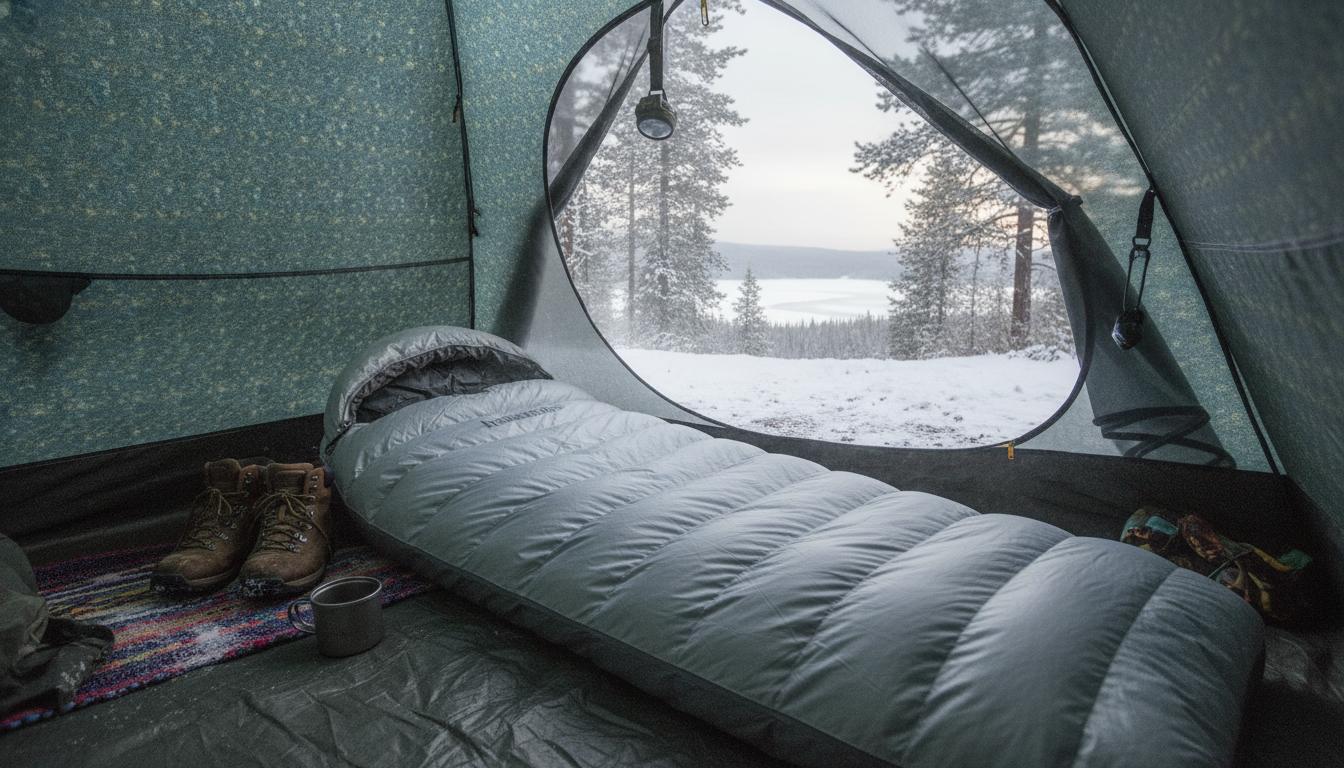
Warm Duck Down Camping Sleeping Bag with Hood (0°F to 32°F) for Cold Nights Outdoors
Cold-weather sleep gets easier when insulation, fit, and heat retention work together. This duck down sleeping bag with a hood is built for chilly nights from around 0°F to 32°F, helping reduce drafts and keep warmth where it matters—around the core, shoulders, and head. For campers who want a dependable cold-night setup without carrying unnecessary bulk, a hooded down bag can be a practical foundation for a warmer, more consistent sleep. For more guidance, see 5 Common Mistakes When Setting Up Your Sleep System.
What Makes This Sleeping Bag a Cold-Weather Option
When temperatures dip toward freezing, comfort comes down to how efficiently your sleep system traps warm air and how well it blocks the little heat leaks that add up overnight. For further reading, see The Best Ultralight Sleeping Bag | Tested & Ranked.
- Duck down insulation: Down is known for trapping warm air efficiently while staying relatively lightweight for its warmth, which can help reduce pack weight compared with heavier synthetic fills.
- Integrated hood: Heat loss around the head and neck can be noticeable in the cold. A hood helps reduce exposure and makes it easier to seal out drafts when the wind kicks up or temps drop after midnight.
- Real-world warmth varies: “0°F” and “32°F” aren’t magic numbers—pad insulation, wind exposure, shelter quality, humidity, hydration, and personal metabolism can shift how warm a bag feels in practice. For a clear overview of how temperature ratings are typically interpreted, see REI’s guide to sleeping bag temperature ratings.
- Pair it with an insulated pad: The best results come from combining the bag with a properly insulated sleeping pad to limit heat loss into the ground—often the biggest “hidden” reason people feel cold at night.
Temperature Range and Practical Use Guide
| Overnight Conditions | How the Bag Typically Feels | Suggested Setup Notes |
|---|---|---|
| 30°F–32°F (light freezing) | Comfortably warm for most sleepers | Use hood; vent slightly if overheating |
| 15°F–29°F (cold) | Warm with good pad + dry base layers | Add warm socks/hat; block wind in shelter |
| 0°F–14°F (very cold) | Warmth depends strongly on pad, clothing, and campsite | Use insulated pad(s); eat before bed; consider liner |
Key Features to Look For When Sleeping Near Freezing
Cold-night comfort isn’t only about insulation type—details like fit, sealing, and draft control often decide whether you sleep through the night or keep waking up to adjust.
- Hood shape and adjustability: A snug hood helps limit drafts around the neck and cheeks. Look for a cinch that’s easy to adjust with cold fingers so you can fine-tune airflow without fully opening the bag.
- Draft control along the zipper: The zipper line is a common cold spot. A well-sealed zipper area and a snug fit through the torso help prevent “side drafts” when you shift positions.
- Even insulation distribution: Consistent fill reduces thin areas that can create chilly patches—especially around hips, shoulders, and feet where pressure points and movement can disturb loft.
- Room to move (but not too much): Too-tight bags can compress insulation and reduce warmth. Too-loose bags create extra air space your body has to heat, which can feel drafty in very cold conditions.
How to Get the Warmest Sleep with a Down Bag
Small habits can make a big difference on cold nights. The goal is to start warm, stay dry, and avoid overheating early—because sweat can turn into a chill later.
Packing, Storage, and Care for Duck Down
When This Type of Bag Fits Best
Safety Notes for Cold-Weather Camping Sleep
- Know early hypothermia signs: Uncontrolled shivering, confusion, clumsiness, or unusual fatigue require immediate warming steps. The National Park Service overview on hypothermia is a helpful reference for recognizing symptoms and taking action.
- Avoid sleeping in wet clothing: Wet fabric pulls heat away fast, even inside a warm bag. Put on dry base layers reserved specifically for sleep.
- Manage shelter condensation: If moisture builds inside the tent, increase ventilation. Drier air helps keep down performing closer to its best.
Shop In-Stock Gear
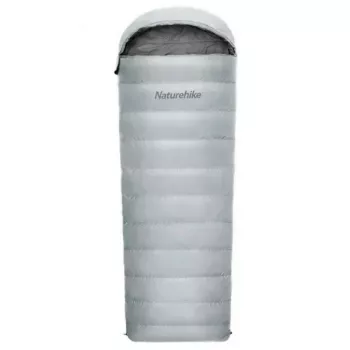
- Warm Duck Down Camping Sleeping Bag with Hood – 0°F to 32°F Cold-Weather Gear
- Black Cat Reflective Laser Phone Case for iPhone
FAQ
Is a 0°F sleeping bag always warm at 0°F?
No—warmth at 0°F depends on your sleeping pad’s insulation, your clothing layers, wind and shelter protection, humidity, and your personal metabolism. Ratings can also reflect different standards (comfort vs. lower limit), so pairing the bag with an insulated pad and dry layers usually makes the biggest difference.
How do you keep a down sleeping bag dry on cold trips?
Choose a campsite that avoids wet ground, use a waterproof stuff sack or pack liner, and keep the bag off tent walls where condensation forms. Air it out when you can, ventilate the shelter, and always change out of damp clothing before getting in.
Should the hood be tightened all the way when it’s very cold?
Cinch the hood enough to stop drafts, but leave a comfortable opening for breathing and to reduce moisture buildup around your face. If you need extra warmth without over-tightening, a warm hat or balaclava can help while keeping airflow more comfortable.














Leave a comment