How to Fish 7g Metal VIB Spinner Spoons (5-Pack)
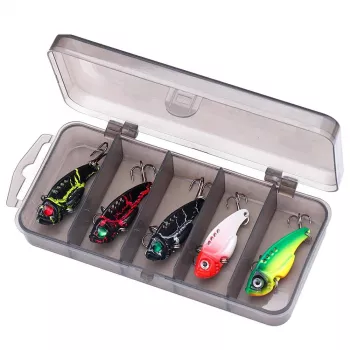
5-Pack Metal VIB Spinner Spoon Fishing Lure Set – 7g Sinking Baits
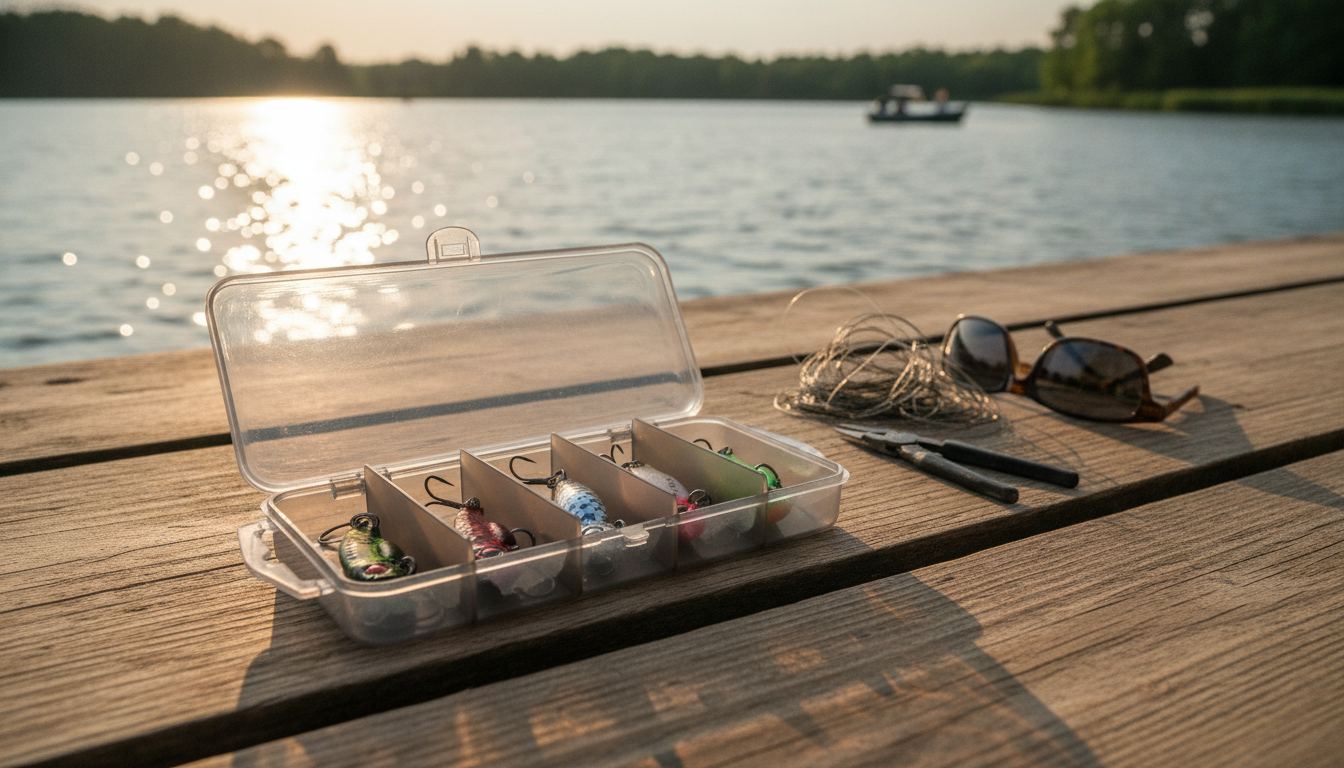
Metal vibration baits and spinner-spoon hybrids shine when fish are keyed on small baitfish and holding below the surface. This 5-pack of 7g sinking lures is built for covering water quickly, reaching depth without added weight, and producing flash plus tight vibration that can trigger strikes in clear or stained conditions. Used from shore or boat, these compact baits fit a range of tactics—from steady swimming to lift-and-drop—making them a practical option for anglers targeting aggressive feeders and finicky followers alike.
What This Set Is Designed to Do
- Provide a compact, sinking profile that gets into the strike zone fast without bulky terminal weights
- Create a combination of flash, vibration, and flutter that imitates small forage
- Support multiple presentations: straight retrieve, yo-yo, slow roll near bottom, and vertical jigging
- Offer five lures so different colors/finishes can be rotated as light and water clarity change
Key Specs at a Glance
- Pack size: 5 lures for quick rotation when conditions change
- Weight: 7g per lure (useful for medium-light to medium spinning setups)
- Sinking design: good for reaching depth and fishing current seams or drop-offs
- Metal body: helps transmit vibration and adds durability for contact with rocks and structure
Quick Setup Guide for 7g Metal VIB/Spinner-Spoon Baits
| Situation | Line & leader | Rod & reel | Best retrieve |
|---|---|---|---|
| Clear water, sunny | 10–15 lb braid + 6–10 lb fluoro leader | 6’6″–7′ ML/M spinning, 2000–2500 size | Steady retrieve with brief pauses |
| Stained water, overcast | 10–20 lb braid + 8–12 lb fluoro leader | 7′ M spinning/casting | Yo-yo (lift 1–3 ft, controlled drop) |
| Windy shoreline casting | 15–20 lb braid + 10–12 lb leader | 7′ M, fast action | Medium-fast retrieve to keep contact |
| Vertical/jigging over depth | Braid main line + leader | M, fast action | Lift-and-drop with semi-slack fall |
Where These Lures Work Best
- Edges of weed lines and grass points: run parallel to the edge and pause at openings
- Riprap, rocky banks, and bridge pilings: keep the bait ticking structure without wedging it
- Drop-offs and channel swings: let it sink to the break, then retrieve along the contour
- Current seams: cast upstream, let it sink, and swim it across the seam with tension
- Open-water bait schools: fan-cast and vary sink time to find the feeding level
These are “search” baits with a finesse side: they can call fish from a distance with vibration and flash, then still get bit when downsizing matters. When fish are suspended, the sinking body helps you quickly repeat the same depth with a consistent count-down, rather than guessing with a floating hard bait that wants to rise out of the zone.
How to Fish a 7g Sinking Metal VIB/Spinner Spoon
- Count-down method: after the cast, count seconds to reach different depths; repeat once bites reveal the level
- Straight retrieve: keep a steady pace so vibration stays consistent; add 1–2 second pauses to trigger followers
- Yo-yo retrieve: lift the rod tip to make the bait surge, then let it flutter down on controlled slack
- Bottom contact slow roll: retrieve just fast enough to feel vibration while occasionally ticking bottom
- Vertical lift-and-drop: hover over marks or structure and work short lifts; watch line for strikes on the fall
One dependable approach is to start with a medium cast, count it down to mid-depth, then swim it back with the rod tip slightly down to maintain tension. If you feel the bait lose its pulse, speed up a half-turn or lift the rod to re-engage the vibration. When fish are tracking but not committing, the yo-yo retrieve often seals the deal by adding a sudden dart followed by a vulnerable flutter.
Matching Tackle for Better Hookups
If you’re frequently fishing around rock, dock cables, or shell, leader abrasion resistance matters as much as strength. For general leader and knot guidance, the IGFA is a solid reference: https://igfa.org/.
Color and Finish Rotation That Makes Sense
Care, Storage, and Safety
If you’re fishing in coastal or brackish areas, always double-check local rules for seasons, species, and gear restrictions. A reliable starting point is your state regulator, such as the Florida Fish and Wildlife Conservation Commission: https://myfwc.com/fishing/.
Shop In-Stock Picks
- 5-Pack Metal VIB Spinner Spoon Fishing Lure Set – 7g Sinking Baits
- Electrical Lockout Tagout Kit – 47-Piece Complete Safety Set
- Black Cat Reflective Laser Phone Case for iPhone
FAQ
How deep will a 7g sinking metal lure fish?
Depth depends on cast length, current, line diameter, and retrieve speed. Use a count-down (for example, 3 seconds, then 6 seconds, then 9 seconds) to map where bites happen, and repeat that sink time; thinner braid generally helps the lure reach depth faster and makes it easier to hold a level during the retrieve.
What fish can be caught with metal VIB and spinner-spoon style lures?
These lures commonly catch baitfish-eating predators like bass, trout, perch, walleye, pike, and larger panfish, and they can also work for some inshore species where legal. Match the lure size and retrieve speed to the local forage and adjust cadence until fish commit.
Is a snap or a direct knot better for this type of lure?
A small, strong snap can make lure changes faster and can help the bait swing and vibrate freely. A direct knot reduces hardware but may slightly restrict movement depending on the knot and eye size; if you use a snap, keep it compact and check it often for bending or wear.













Leave a comment