Train Your Cat Tricks Fast With a Printable Checklist
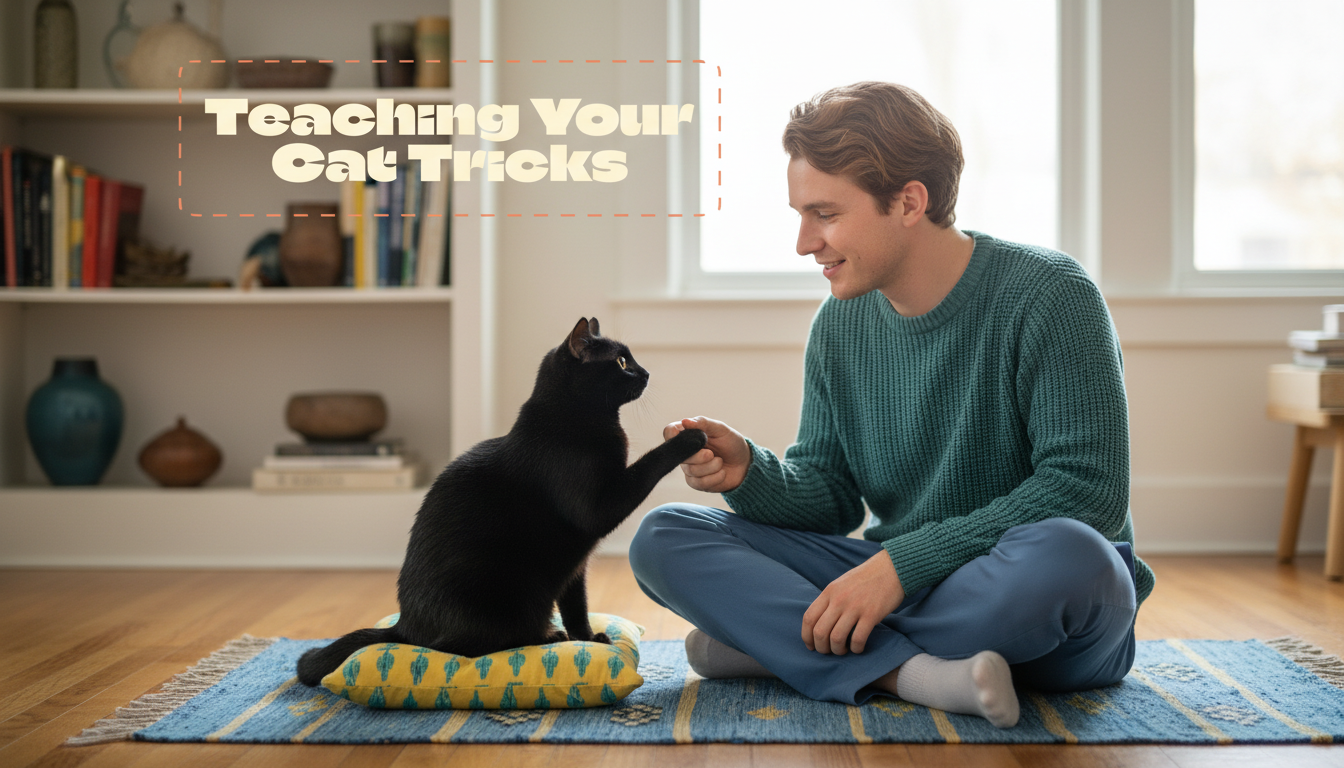
Teaching Your Cat Tricks With a Simple Step-by-Step Checklist
Cats can learn cues and fun behaviors through short, reward-based sessions—especially when the steps stay small and predictable. A printable checklist makes it easier to keep training consistent, track progress, and prevent common setbacks like sessions that run too long or rewards that arrive too late. With the right setup, even “independent” cats often become eager participants because training starts to feel like a quick game that reliably pays.
What makes cat training work
Successful cat training is less about “making” a cat do something and more about creating clear, repeatable moments where the right choice gets rewarded.
- Use positive reinforcement: reward the exact behavior that is wanted, not what happens a few seconds later. Precision matters.
- Keep sessions brief: aim for about 1–3 minutes, then stop while your cat still wants more. End on a win to build enthusiasm.
- Choose high-value rewards: tiny treats, lickable treats, or a favorite toy can work well; rotate rewards to prevent boredom.
- Start with low distractions: train in a quiet area first, then gradually add mild distractions once the behavior is reliable.
- Use a consistent marker: a clicker or a single word like “yes” clearly tells your cat which moment earned the reward. For positive-reinforcement principles, see guidance from AVSAB.
Before starting: set up your training routine
Most training frustration comes from inconsistent cues, slow reward delivery, or asking for too much too soon. A simple routine fixes that.
- Pick one cue per behavior: keep wording consistent across all household members (for example, always “spin,” not “turn” sometimes).
- Choose a marker signal: clicker or “yes.” Practice timing: marker first, treat immediately after.
- Prep pea-sized rewards: tiny pieces keep repetition high without overfeeding; reduce meal portions slightly if using many treats.
- Watch body language: stop if ears flatten, tail lashes, or your cat walks away—pressure slows learning.
- Train when your cat is naturally alert: often before meals. Avoid waking a sleeping cat to train.
If you’re new to marker training, the ASPCA’s clicker training overview is a helpful reference for timing and basics.
How to teach a trick step by step
Nearly every trick can be taught using the same repeatable structure: set up, capture a tiny success, mark, reward, and pause.
- Start with an easy goal behavior: choose something simple to capture, like looking at a target or stepping toward your hand.
- Break the trick into micro-steps: reward the smallest improvement toward the final behavior (a head turn before a full spin, for example).
- Use luring sparingly: treat-guiding can help at the start, but fade it quickly by switching to a hand target or an empty-hand signal.
- Add the cue only after it’s predictable: if the behavior isn’t happening reliably yet, the cue becomes meaningless background noise.
- Build duration and distance gradually: one extra second, one extra step, or one extra repetition at a time.
- Generalize in new locations: repeat the trick in different rooms and at different times of day so it becomes reliable outside the original “training spot.”
A starter plan of tricks to teach first
Foundational tricks create “building blocks” you can reuse for many other behaviors.
Two-week checklist-friendly training schedule
| Day(s) | Focus trick | Goal for the session | Progress check |
|---|---|---|---|
| 1–2 | Name + marker timing | Cat looks at handler after name; marker then treat within 1 second | Responds 6/10 times in a quiet room |
| 3–4 | Target touch | Nose touches finger/target from 2–6 inches away | Touches 8/10 without treat lure |
| 5–6 | Sit (shaping) | Hips touch down; cue added only after consistent sits | Sits 6/10 with minimal hand motion |
| 7–8 | Spin | Full circle with smooth motion; begin fading lure | Spins 6/10 with empty-hand signal |
| 9–10 | High five | Paw reaches to hand; reward paw contact | Paw touches 5/10 with calm posture |
| 11–14 | Mix + generalize | Short “mini routine” in 2 rooms; add small distractions | Each trick works 6/10 in both rooms |
Common issues and quick fixes
Using a printable checklist to stay consistent
Printable checklist digital download
For an easy way to plan sessions and record progress, use the Teaching Your Cat Tricks printable checklist (digital download). It’s designed for quick, repeatable steps—ideal for beginners building foundational behaviors like targeting, sit, spin, and recall.
If you want a fun cat-themed add-on for everyday use, the Black Cat Reflective Laser Phone Case for iPhone is also available.
FAQ
How long does it take to teach a cat a trick?
Many cats can learn a simple behavior in a few days with 1–3 minute sessions, while more complex tricks may take a few weeks. Consistency, daily repetition, and rewarding tiny improvements (shaping) make a bigger difference than long practice sessions.
Should a clicker be used or is a word marker enough?
Either works as long as timing is consistent: mark the instant the behavior happens, then deliver the reward immediately. A clicker can be clearer in busy or noisy homes, but a single word like “yes” can be just as effective if everyone uses it the same way.
What treats work best for cat training without overfeeding?
Use pea-sized, high-value treats and adjust meal portions slightly if you’re doing many repetitions. Lickable treats in tiny tastes or short toy play can also work; for cats with dietary restrictions, check with a veterinarian before changing rewards.














Leave a comment