Why Cats Knead Blankets: Meaning, Cues & What to Do
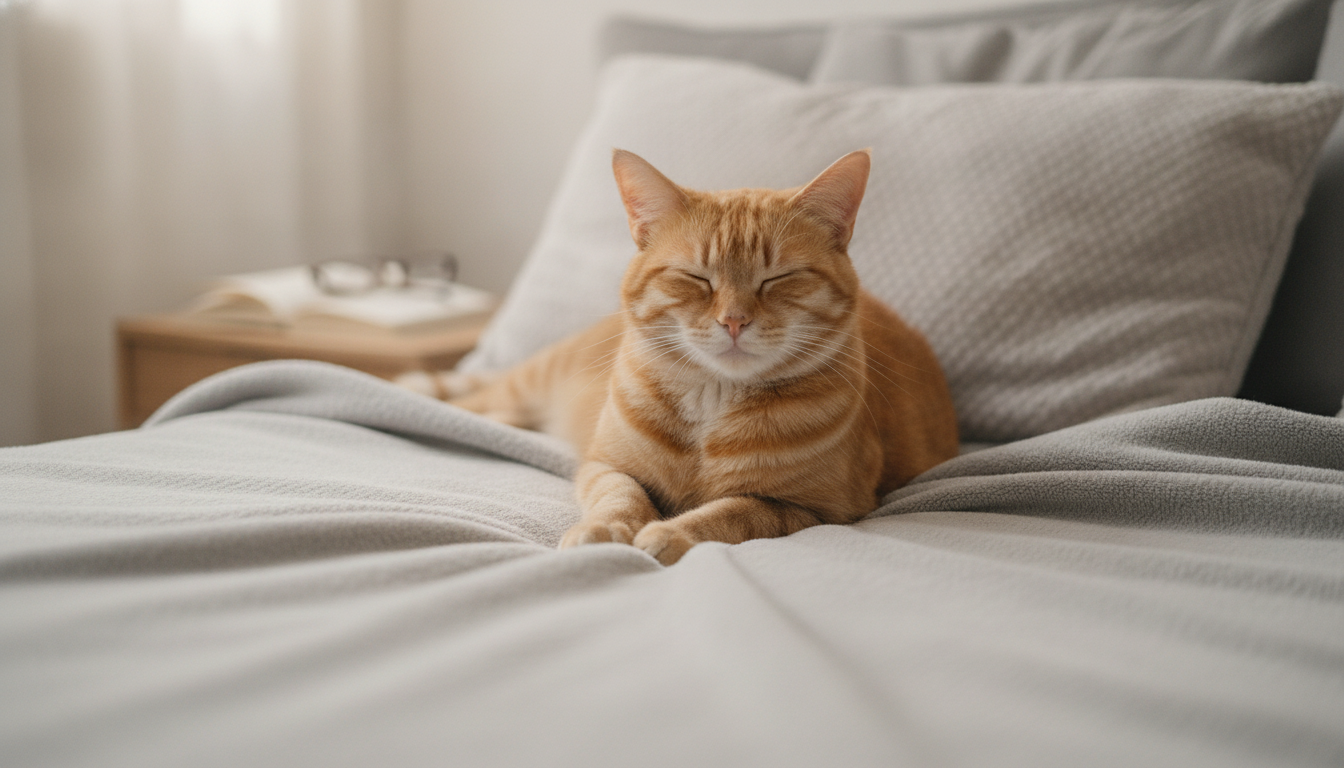
Understanding Why Cats Knead Blankets
Kneading—pressing paws in and out against a soft surface like a blanket—is one of the most recognizable cat behaviors. It can look like comfort, excitement, or even a little obsession. The meaning often depends on context: body language, environment, and what your cat does immediately before and after. Below are the most common reasons cats knead blankets, what different kneading styles can signal, and how to respond in a way that supports comfort while protecting skin and fabric.
What kneading looks like and why blankets are a favorite
Typical kneading uses alternating front paws, sometimes with claws partially extended, often paired with purring and a soft, relaxed face. Many cats settle into a steady rhythm that looks almost trance-like, especially when they’re winding down for a nap.
Blankets are a top choice because they’re soft, pliable, and “give” under pressure. That feedback can make kneading feel especially soothing and rewarding. Cats also tend to choose warm or familiar-smelling fabrics—particularly throws, bedding, and loungewear that carry a caregiver’s scent. Some kneading is brief and casual; other cats knead with intense focus for several minutes, often tied to excitement, routine, or a favorite resting spot.
Comfort and early-life memories
Kittens knead their mother’s belly during nursing to stimulate milk flow. For many adult cats, the motion remains as a self-soothing habit that surfaces during calm, safe moments—settling down to sleep, greeting a favorite person, or relaxing after a meal.
Cats with strong attachment behaviors may knead more on items that smell like their caregiver, such as a blanket on the couch or bedding on the bed. If your cat kneads, sighs into the fabric, and then curls up, that’s typically contentment rather than stress. (If you’d like a structured way to track triggers and body-language cues, Understanding Why Cats Knead Blankets | Digital Guide for Cat Lovers is a quick reference you can keep on your phone.)
Scent marking and territory signals
Cats have scent glands in their paw pads, and flexing the paws can deposit subtle scent cues on fabric. In a cat’s world, this can function as a quiet “this is safe and mine” signal—especially in multi-pet households, after moving, or when new furniture (or a new roommate) shows up.
If kneading clusters around specific locations—like one blanket on a couch or one corner of the bed—it may be part of a comfort-and-territory routine. Watch for other relaxed “claiming” behaviors that often travel together: cheek rubbing, rolling, and slow blinking. For broader feline behavior guidance, resources from International Cat Care can be helpful when comparing normal comfort behaviors versus stress signals.
Nest-making instincts and sleep preparation
Some cats knead to “prepare” a sleeping spot, similar to circling or pawing at bedding before lying down. A common sequence is knead → turn a few times → settle. That pattern can reflect sleep-site selection and comfort testing: the blanket is adjusted, warmed, and shaped into a just-right nest.
In the wild, felines may pat down grass or leaves to create a stable resting place. Blankets can trigger the same instinct, particularly plush or fleece textures that compress easily. If you notice your cat kneading delicate knits or an heirloom quilt, placing a dedicated soft bed or durable blanket in the preferred nap zone can redirect the routine without adding stress.
What different kneading styles can mean
Quick guide to kneading cues
| What’s happening | Common meaning | Helpful response |
|---|---|---|
| Slow kneading, purring, relaxed face | Comfort and bonding | Let it happen; offer a thicker blanket barrier if claws scratch |
| Kneading then circling and lying down | Nest-making and sleep routine | Provide a dedicated bed/blanket in a quiet spot |
| Fast kneading, twitchy skin, sudden biting or jumping off | Overstimulation | Pause petting, reduce contact, give space |
| Kneading with drooling or fabric suckling | Self-soothing habit | Redirect gently to a designated fleece; monitor for fabric ingestion |
| Kneading mainly after changes at home | Stress management | Add predictability: routine, safe zones, enrichment |
When kneading becomes a problem
For general cat-care fundamentals and when to seek medical advice, the American Veterinary Medical Association offers reliable guidance for pet owners.
How to respond: practical, cat-friendly steps
A deeper dive for curious cat lovers
If you want a step-by-step way to identify triggers, body-language cues, and simple behavior tweaks, a short digital reference can make it easier to notice patterns like time of day, location preferences, household changes, and the exact “knead → settle” routine. Understanding Why Cats Knead Blankets | Digital Guide for Cat Lovers is designed to help organize what to watch for and what to try first.
For a lighter way to show off your cat-loving side while you read up on feline quirks, check out the Black Cat Reflective Laser Phone Case for iPhone.
FAQ
Why does my cat knead blankets and purr?
Kneading with purring most often signals comfort, self-soothing, and bonding—your cat feels safe enough to settle in. Since purring can also happen with mild stress, look at the full picture: relaxed face, soft posture, and staying put usually mean contentment.
Is it normal for cats to knead with their claws out?
Yes, it can be normal, especially when a cat is excited or deeply relaxed. If it hurts or damages fabric, use a thick blanket barrier, keep nails trimmed, and redirect kneading to a designated, durable blanket.
When should kneading be a sign to call the vet?
Call your vet if kneading changes suddenly or comes with signs of pain, appetite changes, lethargy, hiding, or unusual aggression. Seek prompt guidance if you suspect your cat swallowed threads or fabric, since string-like materials can be dangerous.














Leave a comment