Heated Shiatsu Neck Massager: Infrared 3D Kneading Relief
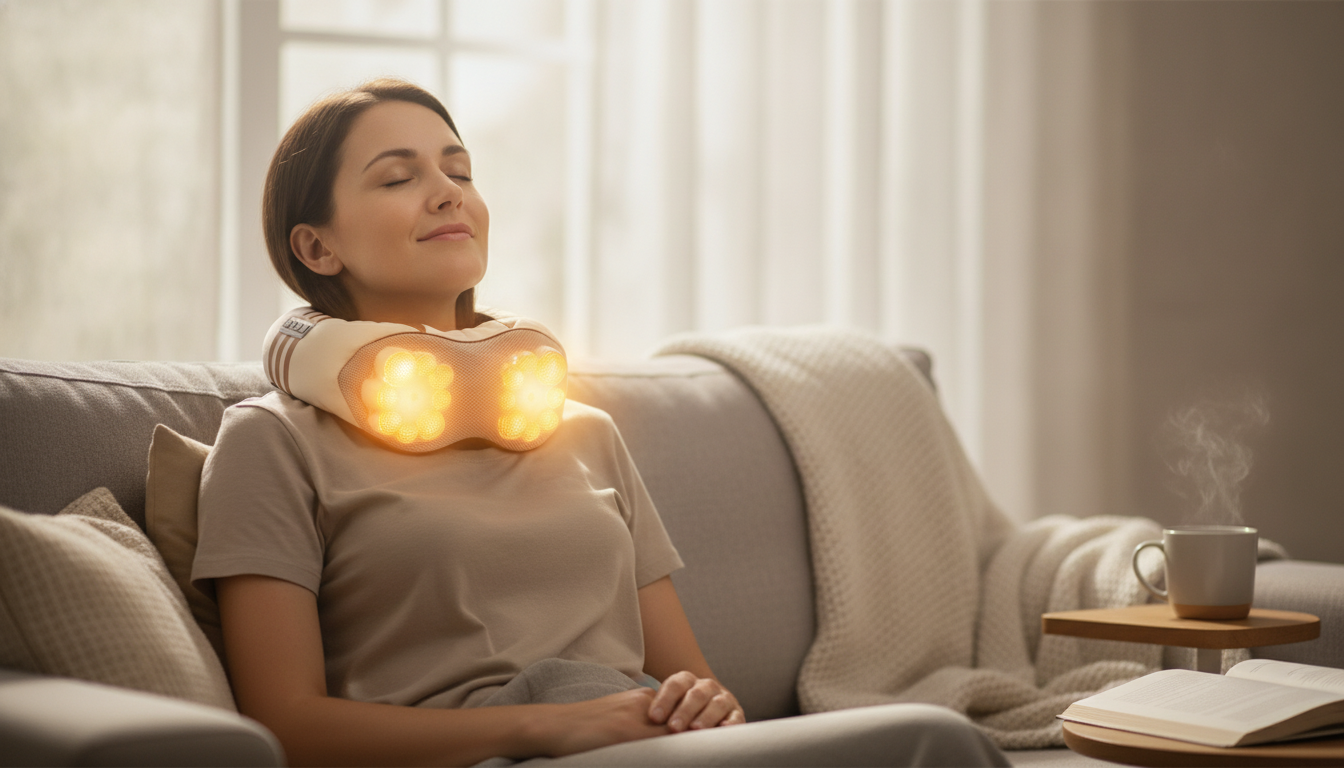
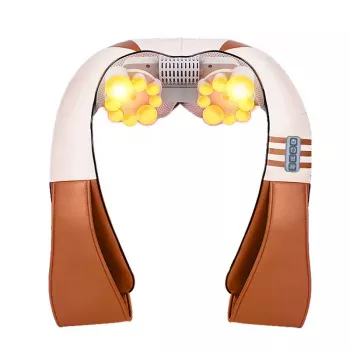
Heated Shiatsu Neck and Shoulder Massager with Infrared and 3D Kneading
Tight neck and shoulder muscles can build up from desk work, driving, workouts, or stress. A shiatsu-style massager that combines heat, infrared warmth, and 3D kneading is designed to mimic hands-on pressure to help loosen knots, improve comfort, and support post-work recovery—at home, in the office, or between sessions at the gym.
What This Massager Is Designed to Do
A heated shiatsu neck and shoulder massager is built for the areas that most commonly “hold” tension. The collar-style shape typically sits across the trapezius and upper back, where stress and posture can create stubborn tightness.
- Targets common tension zones: neck, trapezius, shoulders, and upper back; many users also apply it to the lower back, calves, and thighs depending on fit and flexibility.
- Uses rotating kneading nodes intended to simulate shiatsu-style pressure rather than surface-level vibration.
- Adds warming support (heat/infrared warmth) to encourage a more relaxed feel during kneading.
- Aims for convenient, repeatable sessions without scheduling appointments.
Heat therapy is often used for muscle stiffness and general aches; for practical guidance on when heat may be appropriate, see resources like Cleveland Clinic.
Key Features That Matter for Daily Use
Not all neck massagers feel the same. The features below can make the difference between a quick “nice-to-have” and a tool that actually earns a spot in a daily routine.
- 3D kneading action: a deeper, more “grip-and-release” style motion that can feel closer to thumbs or palms working a tight area.
- Infrared warming support: designed to deliver gentle warmth that pairs with kneading for stiffness and post-activity tightness.
- Adjustable intensity via positioning: arm loops/handles (when included) let users increase or reduce pressure by pulling down or easing off.
- Direction change: alternating rotation can help avoid “same-spot fatigue” and may feel more natural as the nodes track across muscle fibers.
- Session timing: built for short, repeatable rounds to reduce overuse and next-day soreness.
How to Get the Best Results (Placement and Routine)
Technique matters with shiatsu kneading. Small placement changes can turn “too intense” into “just right,” especially around the neck and upper traps.
- Start light: place the collar over the shoulders, relax the arms, and let the nodes settle into the trapezius before adding pressure.
- Use a thin layer: a T-shirt or thin hoodie can reduce friction and make intensity more manageable, especially for sensitive users.
- Work in zones: try 5–10 minutes on the neck/upper traps, then reposition slightly lower along the shoulder blade line if comfortable.
- Pair with simple mobility: gentle neck rotations, shoulder rolls, and doorway chest stretches after a session can help maintain the “looser” feeling.
- Keep sessions consistent: short daily or post-work routines often feel better than occasional long sessions.
Comfort and Safety Notes
Neck-and-shoulder massagers can feel strong because the muscles are relatively close to the surface. A few precautions help keep sessions comfortable and predictable.
- Avoid direct pressure on the front/side of the neck (throat and carotid area); keep kneading on the muscles behind and on top of the shoulders.
- If pain is sharp, radiating, or causes numbness/tingling, stop and reassess placement; consult a clinician if symptoms persist.
- Heat sensitivity: start with heat off if prone to overheating, skin sensitivity, or if using immediately after a hot shower.
- Time limits: follow the device’s built-in timer and avoid extended sessions on one spot to reduce bruising or irritation.
- Contraindications: seek medical guidance if pregnant, using anticoagulants, have neuropathy, a recent injury/surgery, or diagnosed vascular issues.
For general education on neck pain and when it may need medical attention, NIH MedlinePlus is a helpful starting point.
Who This Style of Massager Fits Best
- Desk and laptop users: helps counter forward-head posture tension and tight upper traps after long screen time.
- Drivers and commuters: a quick session after long sitting can reduce that “locked up” shoulder sensation.
- Gym-goers: useful for recovery days when upper back and shoulders feel tight after pulling/pressing workouts.
- Stress-heavy routines: warming kneading can feel calming as part of a nighttime wind-down.
Comparison: Shiatsu Kneading vs Other Popular Options
Shiatsu kneading massagers are often chosen because they feel more targeted than vibration-only devices, while still being easy to use without learning a lot of technique.
At-a-Glance Comparison
| Option | Best for | Trade-offs |
|---|---|---|
| Heated shiatsu kneading massager | Neck/shoulder tension, repeatable daily sessions | Can feel intense; placement matters |
| Vibration neck wrap | Light relaxation and surface comfort | Less effective for deep knots |
| Massage gun | Targeted muscle groups and recovery | Harder to use on neck solo; can be too percussive |
| Foam roller/ball | Budget self-release for back/shoulders | Requires setup and technique |
Care, Cleaning, and Longevity Tips
Product Details and Buying Notes
- Heated Shiatsu Neck and Shoulder Massager with Infrared and 3D Kneading
- Black Cat Reflective Laser Phone Case for iPhone (a simple add-on for desk or commute essentials)
FAQ
How long should a neck and shoulder shiatsu session last?
Most users do best with short sessions—often 10–15 minutes—using the built-in timer. Avoid staying on one tender spot too long, especially when using heat.
Is infrared heat safe to use every day?
For many people, daily use is generally fine when used as directed and kept at a comfortable temperature. Start with lower heat, monitor skin response, and avoid heat if you’re heat-sensitive or a clinician has advised against heat therapy.
Why does shiatsu kneading feel too intense and how can it be adjusted?
Direct kneading contact can feel strong on tight muscles, especially at the upper traps. Try using a thin shirt, easing off on the handles/arm loops, repositioning to broader muscle areas, and shortening the session until it feels comfortable.












Leave a comment