Cozy Comfort-Food Fusion: Printable Checklist + Easy Ideas
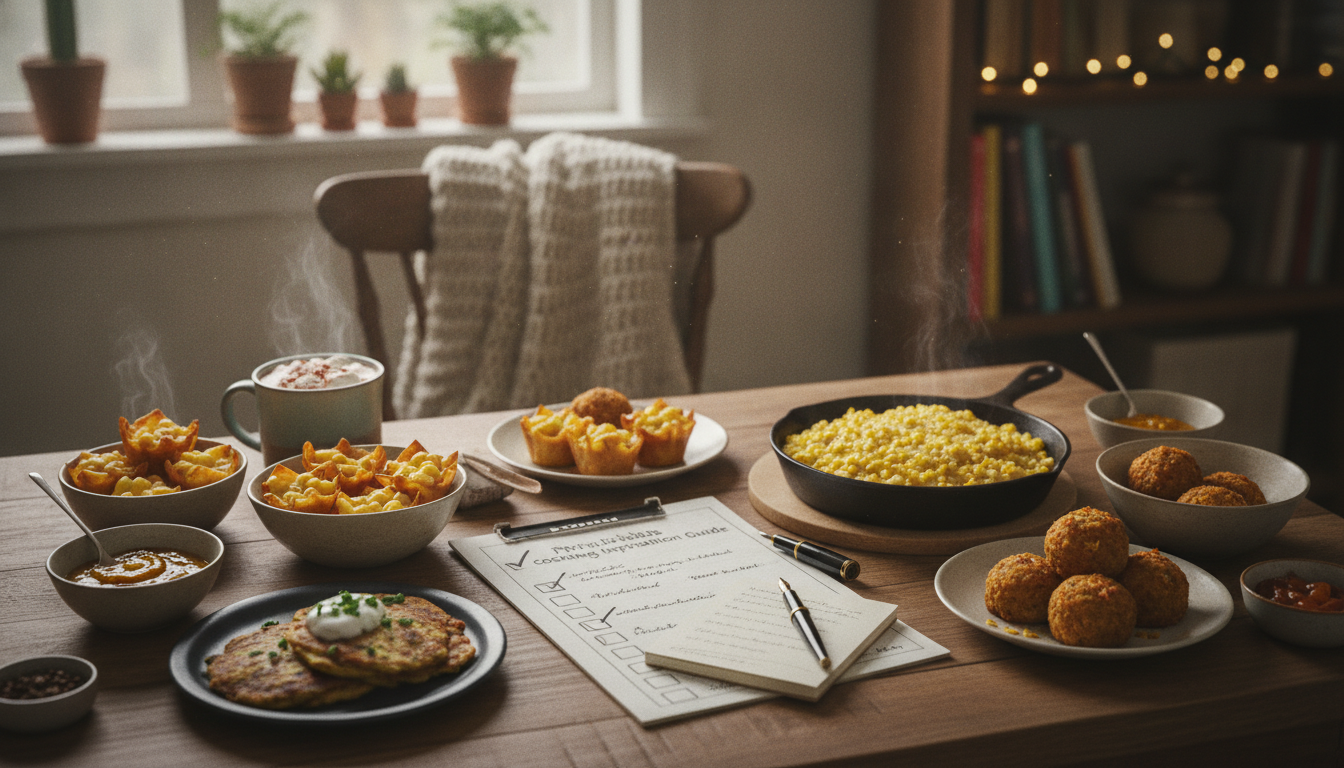
Cozy International Comfort-Food Fusion: A Simple, Repeatable Way to Cook “New” Favorites
Comfort food feels familiar for a reason—but adding a well-chosen twist from another cuisine can make it feel brand new without getting complicated. The best fusion stays cozy: you start with a recognizable base, layer in one clear global accent, and use a few practical guardrails to keep textures and seasonings clean and balanced. The result isn’t “experimental.” It’s dinner that still hits the same warm, satisfying notes—just with a little more personality.
If you like having a one-page framework you can reuse for weeknights, meal planning, or “use what’s in the fridge” nights, the Cozy International Comfort-Food Fusion Checklist (printable guide) turns the process into fast choices instead of long recipes. If you cook with your phone nearby, a durable case can help keep your screen handy while you sauté and simmer—this Black Cat Reflective Laser Phone Case for iPhone is an easy add-on for everyday kitchen use.
What “comfort-food fusion” means (and what it doesn’t)
Comfort-food fusion works best when you treat it like a gentle remix rather than a mash-up of everything you love. A simple approach keeps the dish anchored, familiar, and easy to cook on a normal schedule.
- Start with a classic comfort dish people already crave (mac and cheese, stew, dumplings, grilled cheese, rice bowls).
- Add 1–2 international elements that enhance the same comfort qualities: richness, warmth, savoriness, and satisfying texture.
- Keep the core technique the same (bake, braise, simmer, pan-fry) to avoid turning dinner into a project.
- Aim for harmony over novelty: the best fusions taste like they always belonged together.
- Avoid piling on multiple strong identities at once (too many sauces, conflicting spices, or mixed starch bases).
Fusion building blocks: choose a base + a global accent
| Comfort base | Global accent | Easy add-ins | Why it works |
|---|---|---|---|
| Mac and cheese | Korean-inspired | Gochujang, scallions, sesame oil | Sweet-heat and umami lift creamy cheese |
| Chicken pot pie | Indian-inspired | Garam masala, peas, yogurt drizzle | Warm spices amplify buttery crust and gravy |
| Grilled cheese | Mexican-inspired | Oaxaca/cheddar blend, salsa verde, pickled onions | Stretchy melt + bright acidity cuts richness |
| Meatballs | Japanese-inspired | Teriyaki glaze, ginger, nori flakes | Sweet-savory glaze complements browned meat |
| Mashed potatoes | Middle Eastern-inspired | Tahini, garlic, lemon, olive oil | Nutty creaminess adds depth without heaviness |
The cozy fusion checklist (use it before cooking)
Think of this as a pre-flight check for flavor and texture. It keeps “fusion” from turning into a cluttered bowl of competing sauces.
- Pick one “homey anchor”: creamy, brothy, cheesy, or crispy—then protect it.
- Choose a single lead flavor direction: spicy-sweet, citrus-herb, smoky, miso-savory, curry-warm, or tangy-pickled.
- Add contrast deliberately: richness needs acid; spice needs sweetness; saltiness needs aromatics; soft textures need crunch.
- Limit major changes to three moves: one sauce/spice blend, one topping, one texture upgrade.
- Plan a “save” ingredient: lemon/lime, vinegar, yogurt, or fresh herbs to correct heaviness at the end.
- Check pantry reality: pick accents that use what’s already available (soy sauce, chili paste, curry powder, harissa, za’atar).
- Decide the finishing move: drizzle (chili oil), sprinkle (furikake), or fold-in (herb butter) to avoid overcooking delicate flavors.
Comfort-food fusion ideas that stay simple
These ideas keep the cooking method familiar and let the global accent do the heavy lifting. Each one is designed to be achievable on a weeknight, with optional upgrades if you have extra time.
- Ramen-style chicken noodle soup: classic broth + ginger, soy, scallions, and a jammy egg.
- Curry shepherd’s pie: mashed potato topping + curry-spiced lentils or beef filling.
- Miso mushroom gravy over mashed potatoes: umami boost with minimal extra work.
- Chili crisp grilled cheese: buttery toast + chili crisp inside, quick pickle on the side.
- Bulgogi sloppy joes: brown beef, add soy-sesame-garlic, finish with shredded cabbage.
- Pozole-inspired weeknight stew: hominy + chicken + smoky chili; top with cabbage and lime.
- Pesto-ish dumpling bake: frozen dumplings baked with tomato sauce and basil-olive oil drizzle.
Flavor pairing rules that prevent “muddy” fusion
Most fusion mishaps happen when flavors stack without a plan. These rules keep the final dish bright, legible, and still comforting.
Make it practical: batch-cook components for endless combinations
For safe, satisfying leftovers, follow time-and-temperature basics from the USDA Food Safety and Inspection Service. If you’re also trying to build more balanced meals around these comfort dishes, the Harvard T.H. Chan School of Public Health: The Nutrition Source is a solid reference for practical cooking patterns.
Printable checklist for creative home chefs
Grab the Cozy International Comfort-Food Fusion Checklist (printable guide) and keep it near your meal plan or recipe binder so the next cozy remix is only a few choices away.
FAQ
What makes a fusion comfort dish taste cohesive instead of confusing?
Keep one familiar base and choose one main global flavor direction, then add contrast with a single bright or crunchy finishing element. Avoid stacking multiple salty or sweet sauces in the same dish.
How many international flavors should be used in one comfort-food fusion recipe?
Limit it to one lead accent plus one supporting note so the dish stays recognizable. For example, use miso + scallion or harissa + lemon rather than several bold condiments at once.
What are easy pantry ingredients that help with comfort-food fusion at home?
Soy sauce or tamari, miso, gochujang or chili crisp, curry paste/powder, tahini, canned chipotle, vinegar/citrus, and a frozen dumpling or noodle option make quick, flexible builds.
















Leave a comment