Rug Size & Placement Guide: Choose the Right Fit Fast
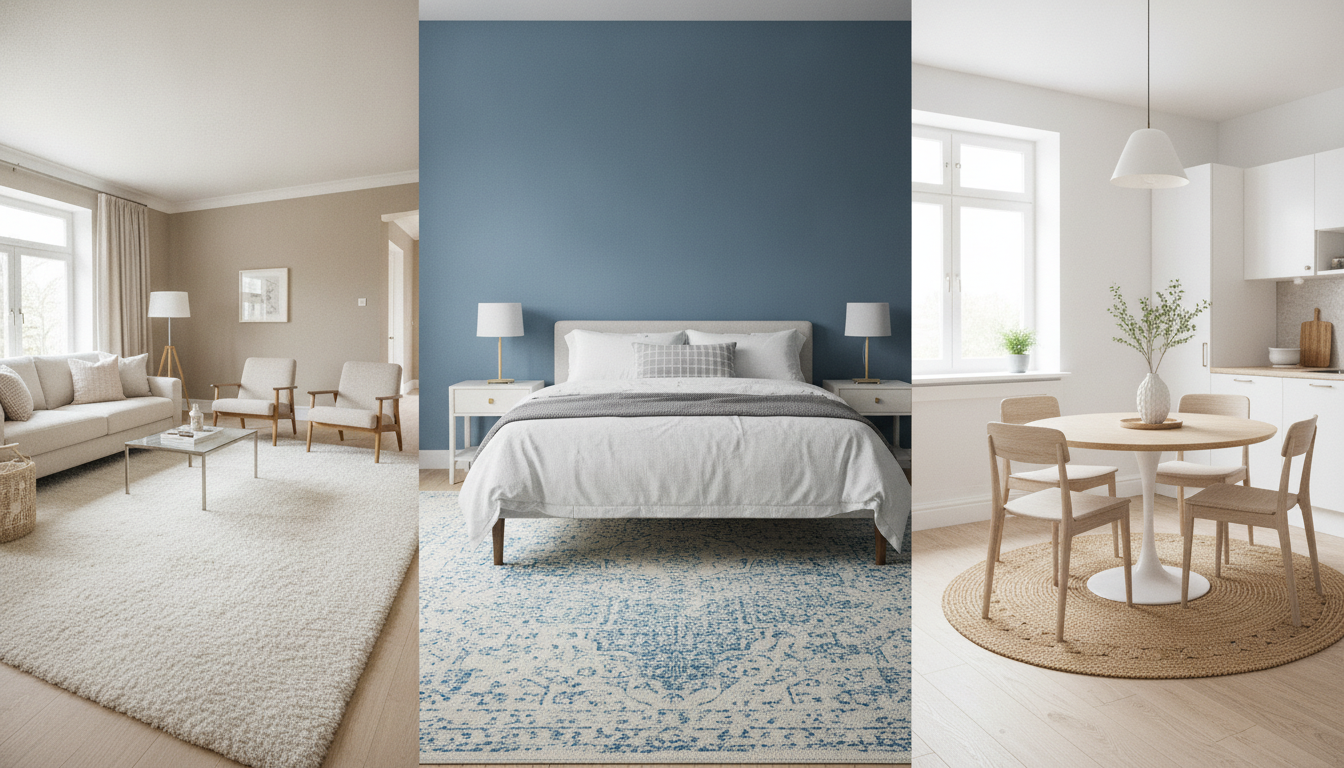
Choosing the Perfect Rug for Any Room: Size, Shape, Style, and Smart Design Shortcuts
A rug can anchor furniture, define walkways, soften acoustics, and set the mood—yet most rug mistakes come down to sizing and placement. The easiest way to get it right is to make a few clear decisions in order: measure the room and furniture, pick the best shape for the layout, match materials to real-life wear, and run quick visual checks (including AI-assisted mockups) before buying. For more guidance, see The Complete Guide To Choosing The Right Size Rug For ….
Start With Function: What the Rug Must Do in This Room
Before you shop colors or patterns, decide what the rug needs to accomplish. In a living room, the job is usually to anchor a seating group so the space feels intentional. In a hallway, it’s protection and traction. In a bedroom, it’s a soft landing for bare feet. For further reading, see How to Pick the Right Size Rug with Guide!.
- Define the primary job: anchoring a seating group, framing a bed, protecting a high-traffic path, or warming up a small nook.
- List constraints: doors that swing over the rug, rolling chairs, pets, spills, and sunlight that can fade certain dyes.
- Decide the “comfort zone”: where feet should land (bedside, sofa front, dining chairs) and where clearance matters (hallways, kitchen aisles).
- Set an upkeep level: washable and low-pile for heavy use; thicker pile for cozy, lower-traffic areas.
Measure Like a Designer: Room, Furniture, and Clearance Rules
Great rug choices start with a simple map. Measure the room length and width, then note obstacles like vents, radiators, built-ins, and door swings. A rug that looks perfect online can become a daily annoyance if it blocks a door or bunches under a chair.
- Use painter’s tape: outline candidate rug sizes on the floor and live with them for a day—walk the routes, open doors, and pull out chairs.
- Keep a visible flooring border: often 6–18 inches, depending on room scale, to avoid a wall-to-wall look unless that’s the goal.
- Prioritize furniture relationships over symmetry: in seating areas, connecting the sofa and chairs reads more “finished” than centering a rug perfectly to the room.
For additional measuring standards and layout examples, reputable references like Architectural Digest and The Spruce are helpful for cross-checking common placements.
Room-by-Room Rug Size and Placement Cheat Sheet
Use these rules as your starting point, then adjust based on doors, traffic paths, and how you actually use the room.
Quick Rug Sizing Guide by Room (Common Layouts)
| Room | Placement Goal | Typical Rug Sizes to Try | Key Check Before Buying |
|---|---|---|---|
| Living room | Anchor sofa + chairs as one zone | 8′ x 10′, 9′ x 12′ (or larger for open plan) | Front legs of major seating sit on the rug; walkways feel clear |
| Bedroom (queen) | Soft landing on both sides and foot of bed | 8′ x 10′ (often), 9′ x 12′ for spacious rooms | Rug extends past bedside tables or at least beyond bed edges |
| Bedroom (king) | Balance large bed footprint | 9′ x 12′ (common), 10′ x 14′ for large rooms | Enough rug shows at sides/foot; doors don’t catch the pile |
| Dining room | Keep chairs on rug when pulled out | 8′ x 10′, 9′ x 12′ (based on table size) | Add clearance around table for chair pull-back |
| Office | Comfort + rolling performance | 5′ x 8′, 6′ x 9′ (varies) | Chair rolls without snagging; rug doesn’t buckle at edges |
| Hallway/runner | Guide traffic and protect flooring | 2’6″ x 8’–14′ runners | Ends sit flat; adequate border from walls/trim |
Choosing Rug Shapes: Rectangular, Round, Oval, and Layered Looks
Style and Color That Won’t Fight the Room
Materials, Pile, and Pads: Comfort vs. Durability
AI Design Tips: Fast Ways to Preview Size and Style Before Committing
A Step-by-Step Shortcut: Use the Rug Selection eBook as a Room Plan
- Use The Smart Guide to Choosing the Perfect Rug for Any Room (eBook) as a single-room workflow: measure → choose placement rule → shortlist sizes → decide shape → confirm material/pile → finalize color/pattern.
- Keep a “rug spec” note per room: target size range, preferred pile, durability needs, and color direction for faster comparisons.
More In-Stock Finds
- Black Cat Reflective Laser Phone Case for iPhone
- Electrical Lockout Tagout Kit – 47-Piece Complete Safety Set
- Platinum Men’s Ring with Moissanite Diamond
FAQ
What size rug should be under a living room sofa?
Start by placing at least the front legs of the sofa on the rug, and ideally the front legs of any chairs too, so the seating group reads as one zone. Common starting sizes are 8′ x 10′ or 9′ x 12′, adjusted for room scale and the width of your seating layout.
How big should a dining room rug be so chairs don’t catch?
The rug should extend beyond the table on all sides so chairs stay on the rug when pulled out. Measure how far a chair moves back for comfortable seating, then choose a rug that provides that clearance around the table perimeter.
Is a round rug better than a rectangular rug in a small room?
A round rug can soften corners and works especially well under a round table or in a compact nook, but it needs generous scale to avoid looking undersized. Rectangular rugs often align better with straight furniture and can maximize coverage in narrow or rectangular rooms.












Leave a comment